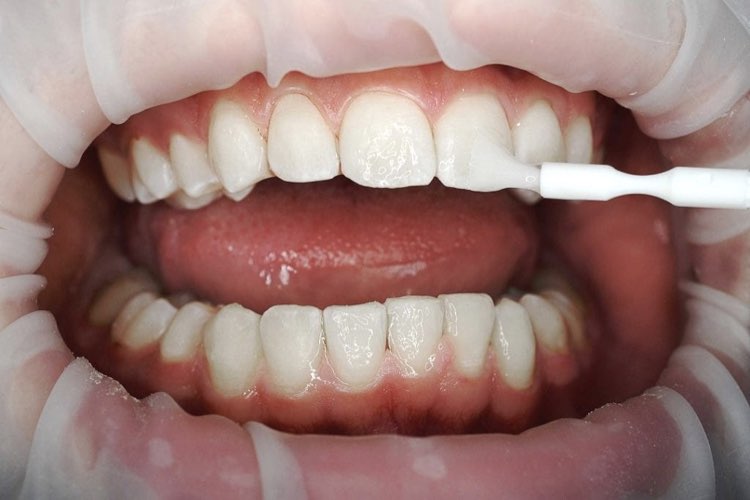
Strengthening teeth: Fluoride can promote the calcification of tooth enamel, making teeth stronger; fluoride can also form acid-resistant crystals on the tooth surface, which can resist acid erosion of teeth by bacteria and prevent dental caries.
Reducing sensitivity: The teeth of some young children are sensitive to cold, hot, or acidic food. Fluoride treatment can prevent dentin hypersensitivity.
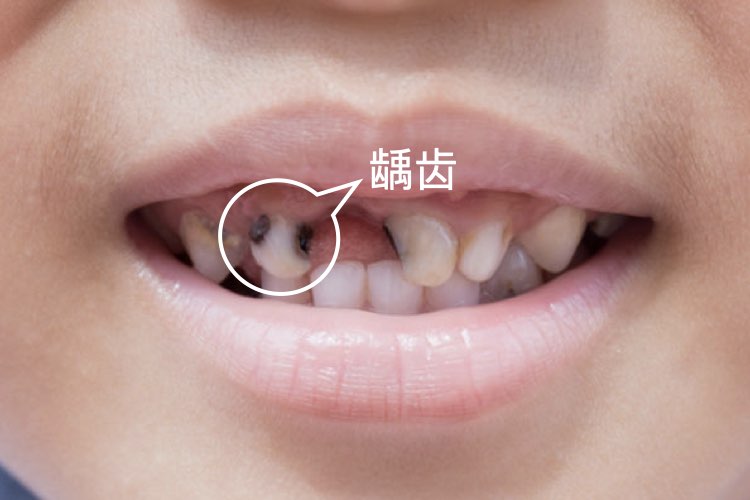
| Tooth Pain Affecting daily life and study |
Difficulty Chewing Affecting dietary intake |
| Premature Loss of Baby Teeth Affecting the eruption of permanent teeth |
Lack of Confidence Affecting mental health |
Parents Must Be Alert to Childhood Dental Caries
 |
|
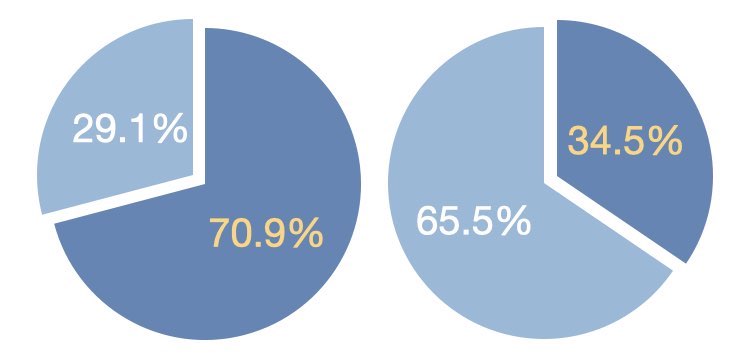
| 5-Year-Old Baby Teeth Caries rate 70.9% |
12-Year-Old Permanent Teeth Caries rate 34.5% |
| Data from the 4th National Oral Health Epidemiological Survey | |
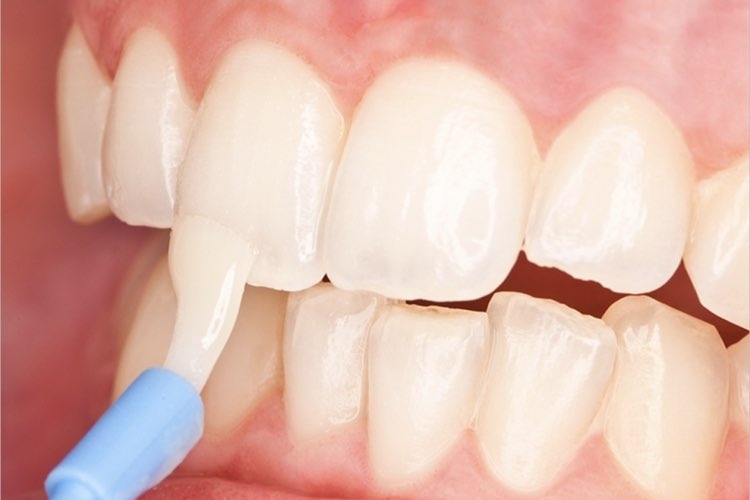
2. Dry tooth surfaces to prevent saliva contamination
3. Apply fluoride evenly
4. Allow fluoride varnish to set for 1 minute
What age is suitable for children to get dental fluoride treatment?
It is generally recommended that children start fluoride treatment after the age of three.
Will the fluoride wear off?
Yes, during daily eating and tooth brushing, it is inevitable that fluoride will gradually wear off. Therefore, fluoride treatment should be applied every 3 to 6 months.
Is it unnecessary to brush my child's teeth carefully after fluoride treatment?
After fluoride treatment, you still need to clean your child's teeth thoroughly, take your baby for regular dental checkups, and get regular dental cleanings.
If my child gets pit and fissure sealants, is fluoride treatment still necessary?
Yes, it is still necessary. Pit and fissure sealant treatment is performed on fully erupted primary and permanent molars with deep pits and fissures to prevent decay in those specific areas. Fluoride application covers all teeth to prevent decay on all tooth surfaces. The two treatments do not conflict with each other.
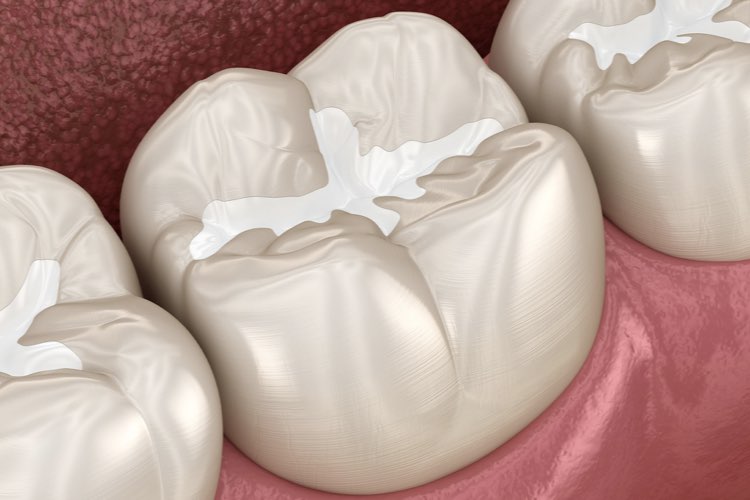
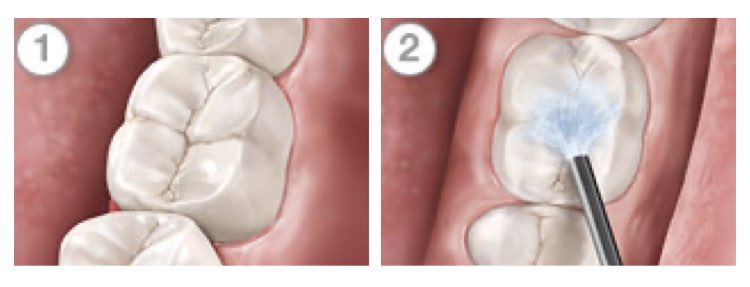
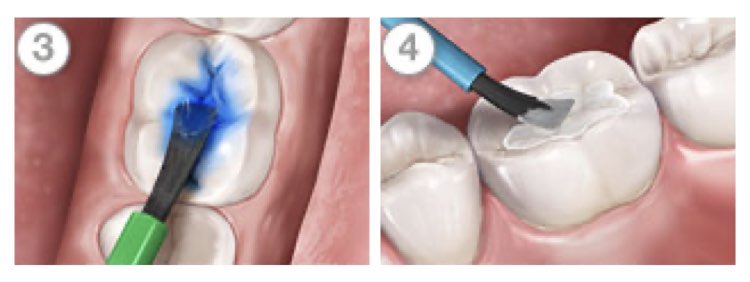
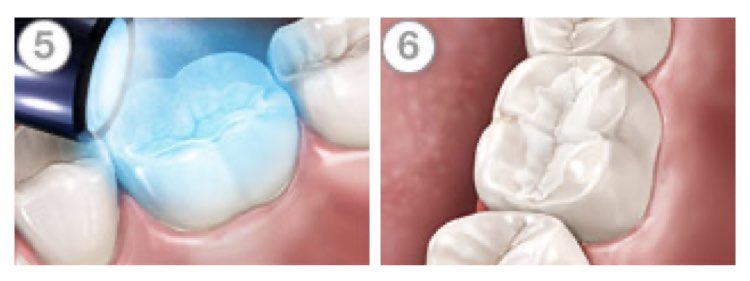
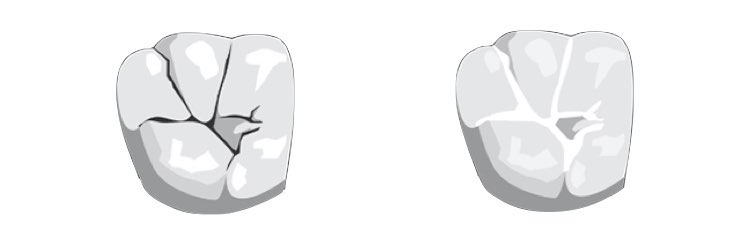
Pit and fissure sealing uses a sealant to form a protective barrier that prevents bacteria and food debris from entering the fissures, thereby preventing tooth decay on the occlusal surfaces.
 |
|
| Before Sealing | Tooth Surface Cleaning and Drying |
 |
|
| Acid Etching | Applying Sealant |
 |
|
| Light Curing | After Sealing |
 |
|
| Before Sealing | After Sealing |
Hazards of Dental Caries in Children
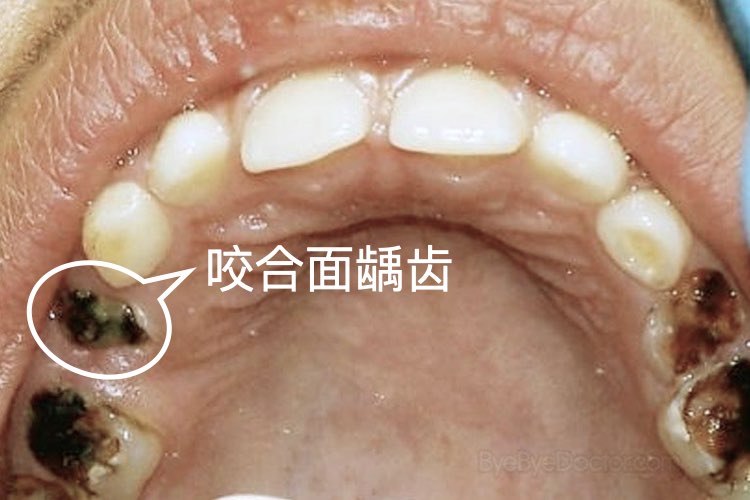
| Tooth Pain Affecting life and learning |
Difficulty Chewing Affecting food intake |
| Early Loss of Primary Teeth Affecting permanent tooth eruption |
Lack of Self-Confidence Affecting mental health |
Parents Must Stay Vigilant Against Dental Caries in Children
|
|
| 5-Year-Old Primary Teeth Caries prevalence rate 70.9% |
12-Year-Old Permanent Teeth Caries prevalence rate 34.5% |
| Data from the 4th National Oral Health Epidemiological Survey | |
Ages 3-4: Primary Molar Stage
Decay in primary teeth not only adversely affects permanent teeth and oral health but also impacts a child's appetite, which in turn affects their physical development.
Ages 6-9: First Permanent Molar Stage
The first permanent molar (six-year molar) is the tooth that bears the greatest chewing force. Because of its large occlusal surface, high cusps, and deep, narrow pits and fissures, it easily accumulates food debris and forms plaque, leading to tooth decay. Therefore, it is best to perform pit and fissure sealing as early as possible to protect it proactively.
Ages 11-13: Second Permanent Molar Stage
The second permanent molar is located very far back in the mouth and is difficult to clean during brushing. Therefore, it should also be sealed as soon as possible after eruption to prevent decay.
Many dental diseases occur during childhood. Parents should pay special attention to dental development, and early prevention is of paramount importance!
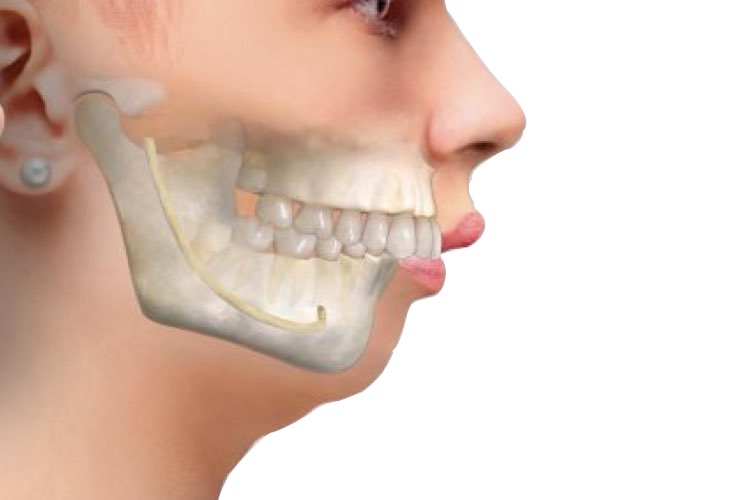
Hard to clean, inducing dental caries and periodontal disease
Affecting appearance, lack of self-confidence
Difficulty chewing, affecting eating
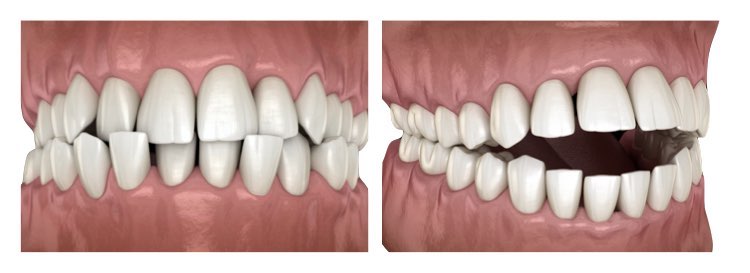 |
|
| Crowded teeth | Open bite |
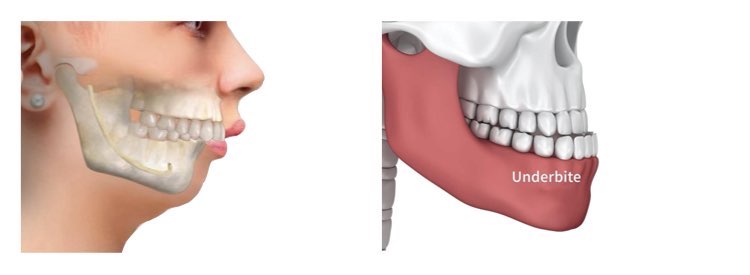 |
|
| Mandibular retrusion | Underbite (anterior crossbite) |
Regular checkups, early detection, early intervention, and healthy growth!
Abnormal Manifestations and Causes of Teeth/Jaw/Face
1. Crowded Teeth
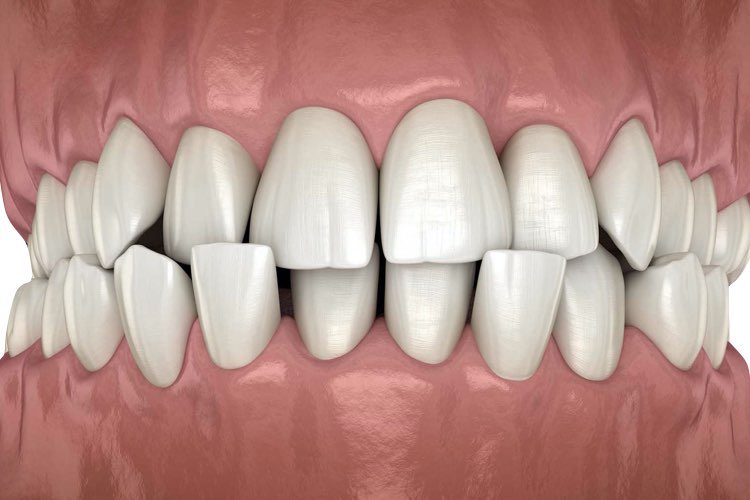
Crowded teeth are often caused by permanent tooth eruption obstacles:
Retained primary teeth: That is, baby teeth do not fall out at the replacement age, causing permanent teeth to erupt in the wrong position.
Premature loss of primary teeth: Premature loss of baby teeth due to dental caries will cause insufficient dental space and too narrow dental arches, resulting in insufficient space for permanent teeth to erupt.
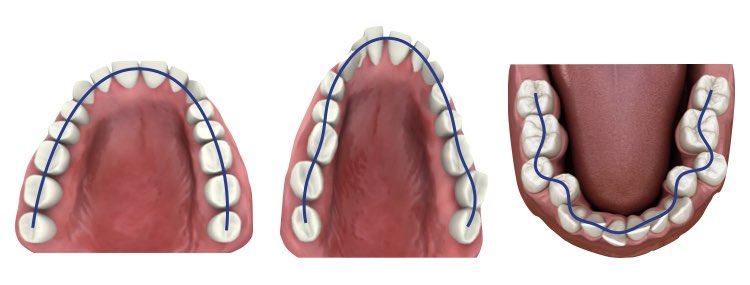 |
||
| Ideal dental arch and tooth spacing |
Dental arch too narrow |
Eruption space too small |
Ideal dental arch and tooth spacing
Sufficient space for tooth eruption, normal dental arch shape, and neat teeth.
Dental arch too narrow
Too narrow dental arches lead to insufficient space for permanent teeth to erupt, resulting in displacement and crowding of permanent teeth.
Eruption space too small
The space shrinks after premature loss of baby teeth, affecting permanent tooth eruption and leading to crowded and uneven permanent teeth.
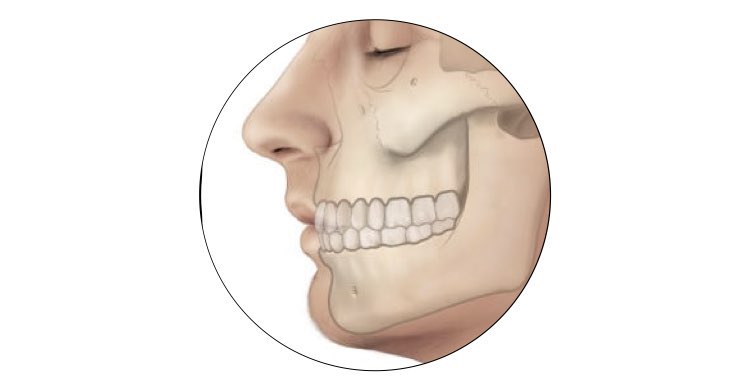
Coordinated upper and lower jaws
 |
|
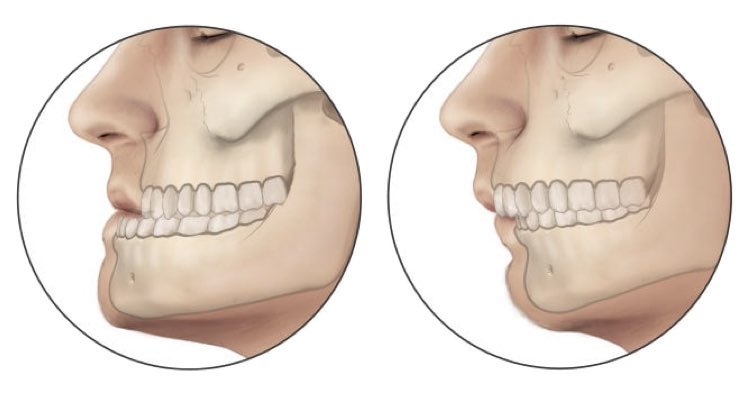
| Mandibular protrusion (underbite) | Mandibular retrusion (receding chin) |
The shape of the upper and lower jaws determines the curve of the lower third of the face, which is very important for facial aesthetics. We call mandibular retrusion (receding chin) and mandibular protrusion (underbite) jaw incoordination. In adulthood, it is difficult to improve through orthodontics alone, and severe cases require surgical correction.
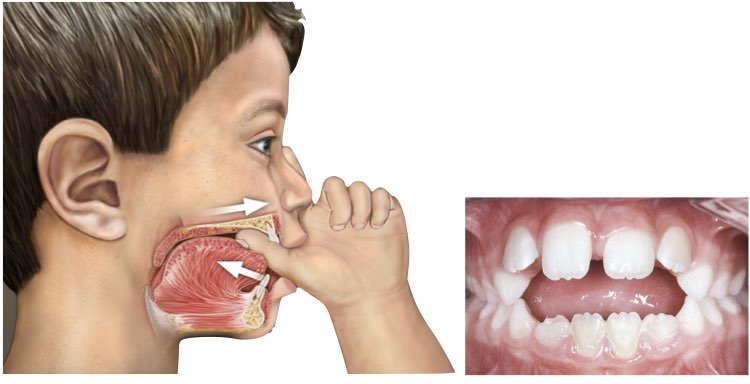
4. Comprehensive Problems of Teeth/Jaw
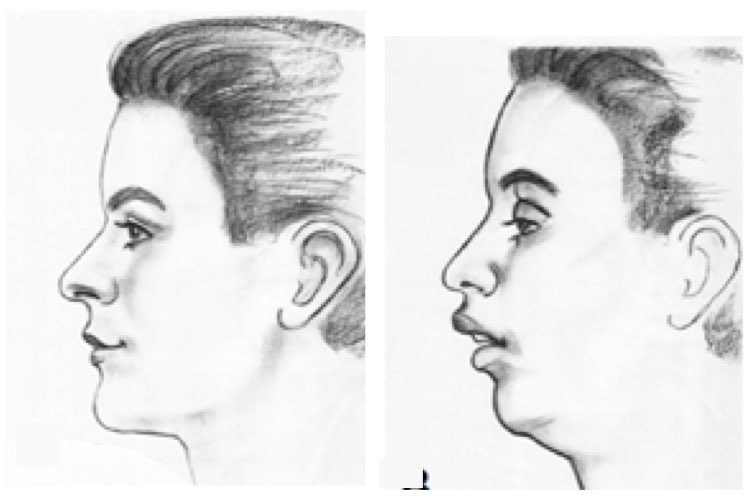
What is mouth breathing?
Normal people breathe through the nasal cavity. However, if they suffer from nasal polyps, rhinitis, tonsil hypertrophy, or turbinate hypertrophy, the nasal cavity will become narrow or even blocked. At this time, patients can only use the mouth instead of nasal breathing. There are also a small number of patients who do not suffer from nasal diseases, but simply breathe through the mouth out of habit.
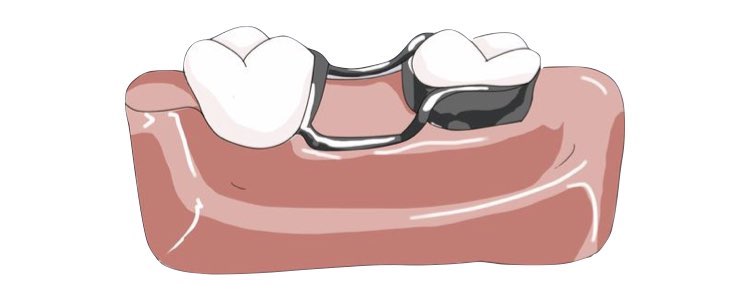
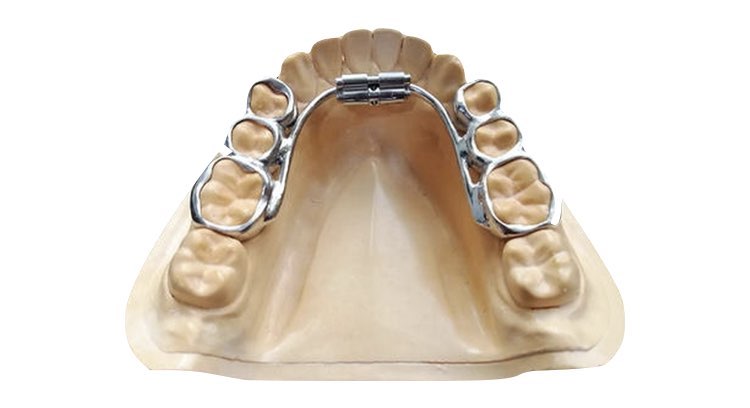
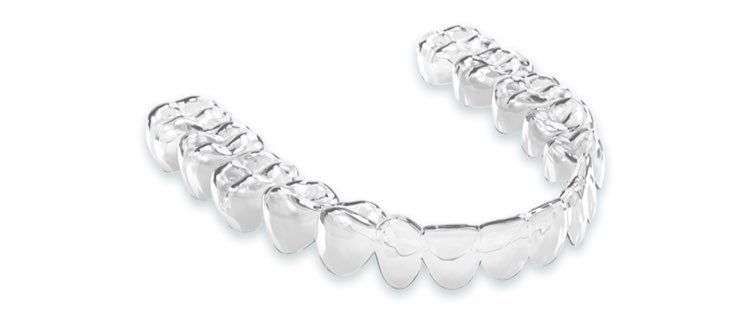
Interceptive Treatment for Facial Development Problems
Space Maintainer
Arch Expander
Clear Aligners
 |
||
| Tooth problems | Jaw problems | Facial problems |
Prevention of Facial Development Problems
In addition to genetic factors, dental caries, teething obstacles, and bad oral habits may lead to abnormal development of teeth, jaws, and facial features. Regular checkups, early detection, and early intervention are highly recommended!
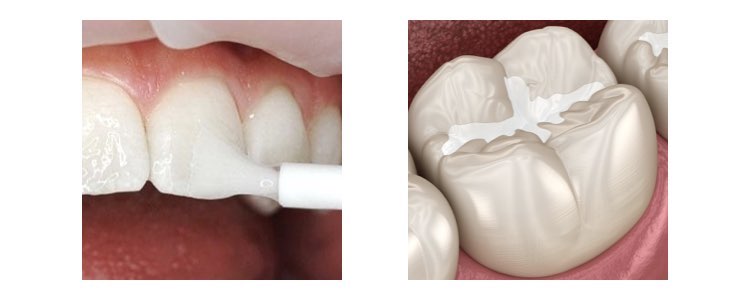 |
|
| Fluoride Treatment | Pit and Fissure Sealant |
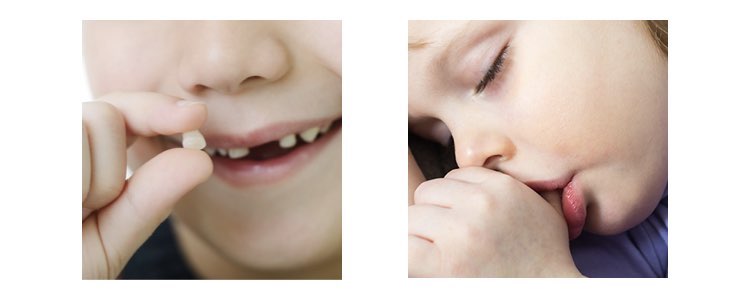 |
|
| Eliminating Teething Obstacles | Eliminating Bad Oral Habits |
Fluoride Treatment
Apply fluoride to the tooth surface to promote enamel calcification, make teeth stronger, and prevent tooth decay throughout the mouth.
Pit and Fissure Sealant
Use pit and fissure sealants to form a protective barrier and prevent cavities on the biting surfaces.
Eliminating Teething Obstacles
During the teething stage, if retained teeth or supernumerary teeth are found, they should be extracted in time to avoid affecting the eruption of succeeding permanent teeth.
Eliminating Bad Oral Habits
Under the guidance of a doctor, eliminate bad oral habits and guide the normal development of teeth and jaws.
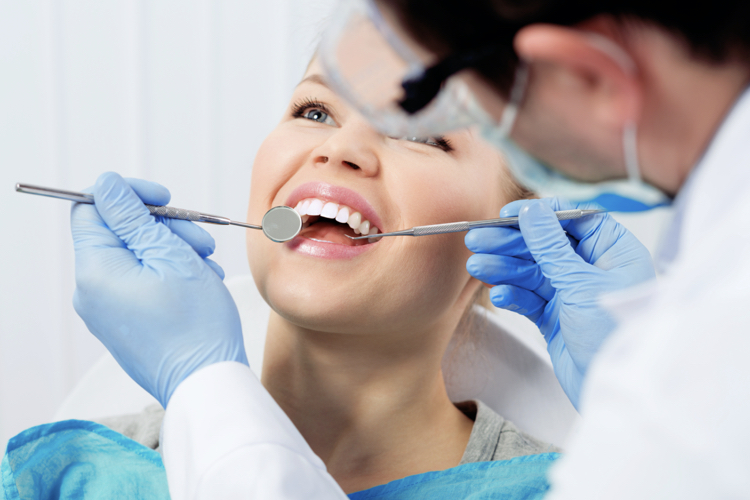
How do these teeth get damaged or lost?
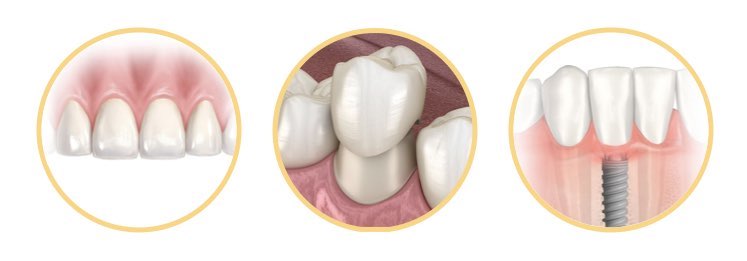 |
||
| Natural Teeth | All-Ceramic Teeth | Dental Implants |
Many people have undergone dental treatment, and besides natural teeth, they also have all-ceramic teeth and dental implants in their mouths. No one wants new problems to arise with their teeth, but every tooth is at risk of damage and loss.
2. All-ceramic teeth: abutment decay, periodontitis, occlusal abnormality
3. Dental implants: peri-implantitis, occlusal abnormality, loose structure
Overall, bacterial invasion, occlusal abnormality, and loose structures are the three major reasons for tooth loss. Only good oral hygiene combined with regular professional maintenance can prevent teeth from being damaged and lost. Compared to natural teeth, all-ceramic teeth and dental implants are more prone to damage and loss, making regular maintenance even more crucial!
Rebound Dental Care & Maintenance Program
Only with meticulous care can they accompany you for a long time
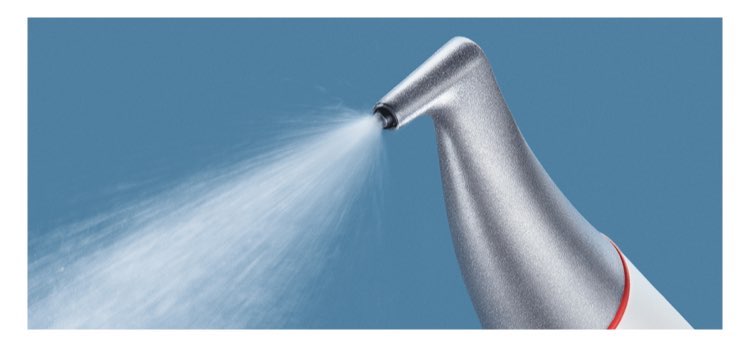
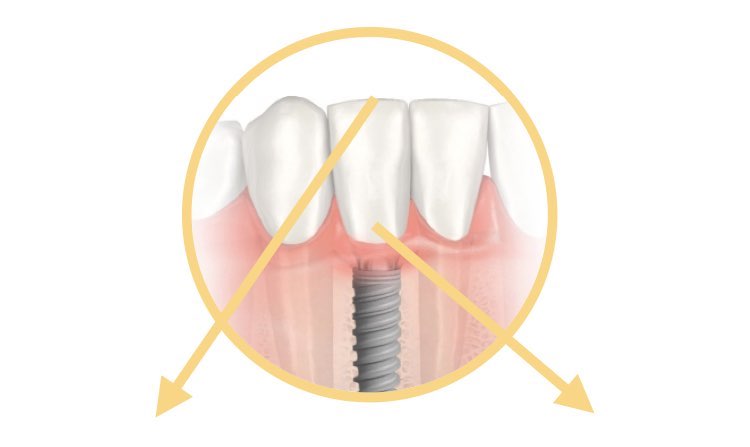
1. Plaque Detection and Removal
 |
|
| Screen for Occlusal Abnormality | Rule out Loose Structure |
Screening for occlusal abnormality: If uneven contact, abutment pain, or other bite abnormalities are found during occlusion, adjust them in time.
Inspection and maintenance of occlusion and structures can prevent all-ceramic teeth and dental implants from severe damage and loss, extending their lifespan.
 |
||
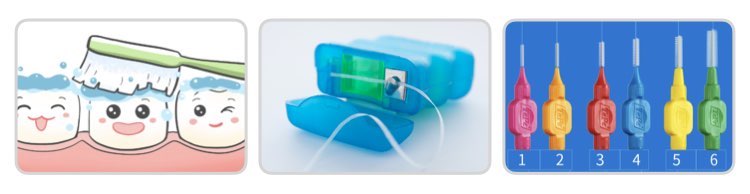
| Toothbrush | Floss | Interdental Brush |
 |
|||
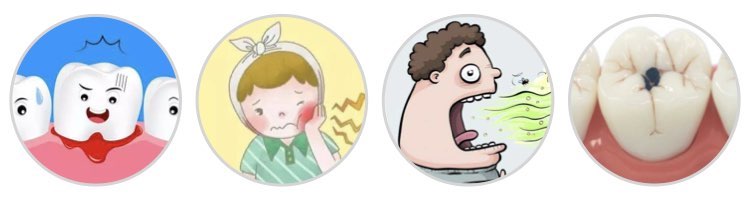
| Bleeding Gums | Toothache | Bad Breath | Tooth Decay |
 |
|||
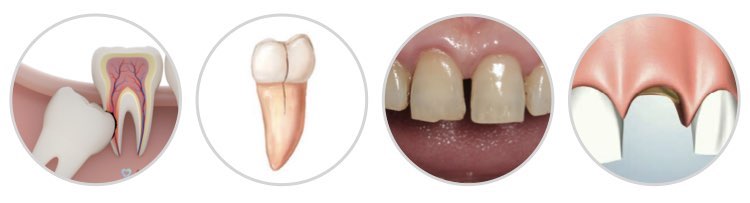
| Wisdom Tooth Inflammation | Cracked Tooth | Tooth Discoloration | Missing Teeth |
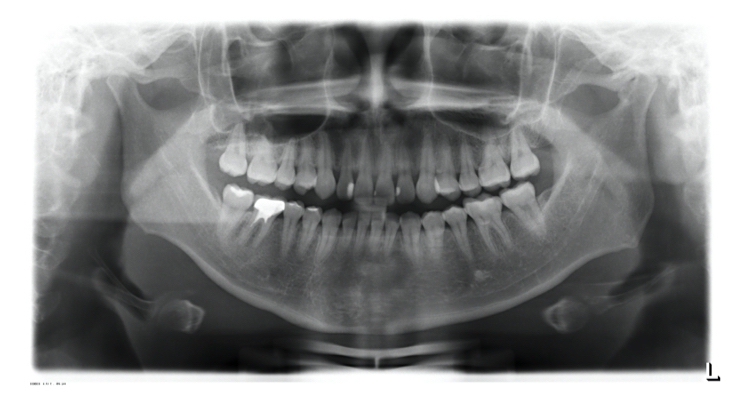
Panoramic X-ray Diagnosis
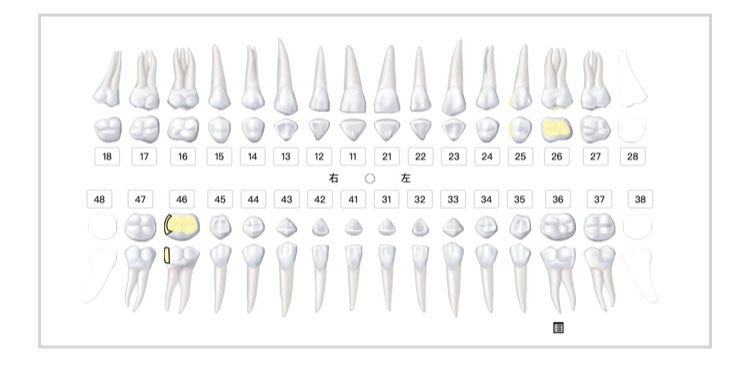
Dental Records

Why get regular dental cleanings?
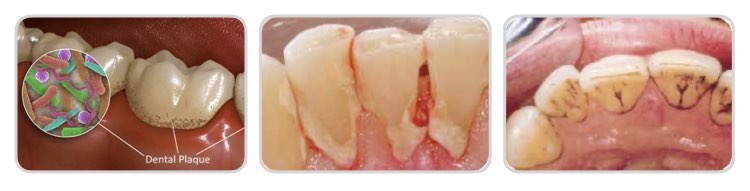 |
||
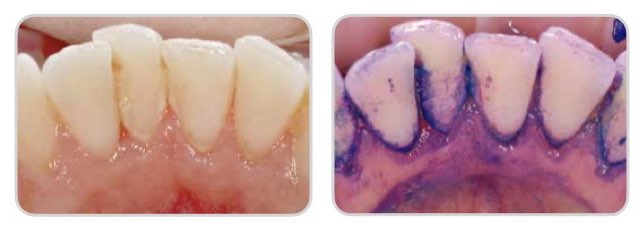
| Dental Plaque | Supragingival Calculus | Tobacco & Tea Stains |
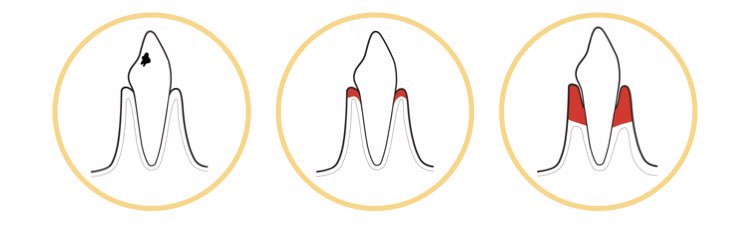
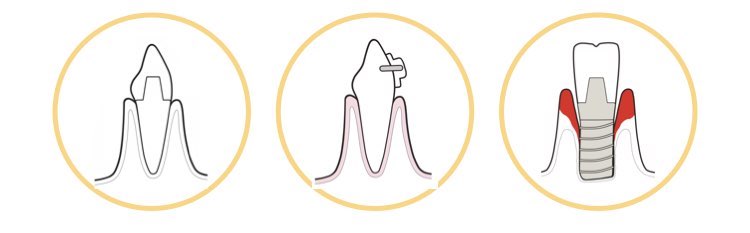
Six Major Dangers of Dental Plaque
 |
||
| 1. Dental Caries | 2. Gingivitis | 3. Periodontal Disease |
 |
||
| 4. Peri-prosthetic Inflammation | 5. Caries around Orthodontic Brackets | 6. Peri-implantitis |
 |
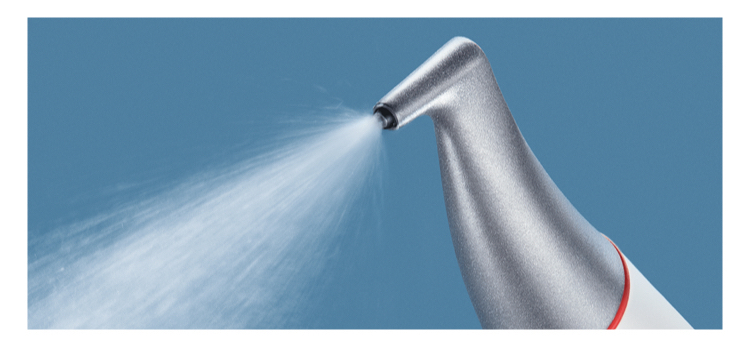
2. Ultrasonic Scaling
Remove supragingival calculus and reduce plaque adhesion
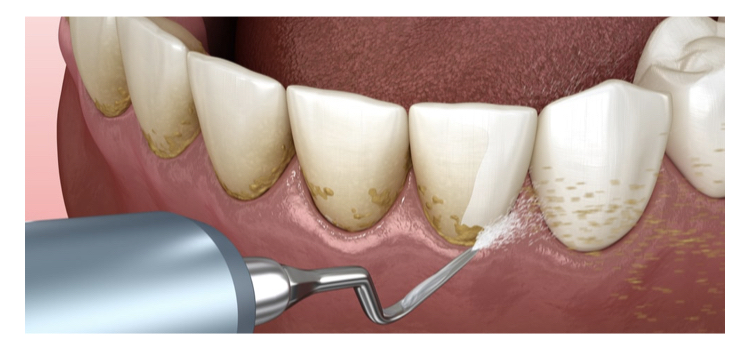
Remove dental plaque and extrinsic stains such as tobacco and tea stains
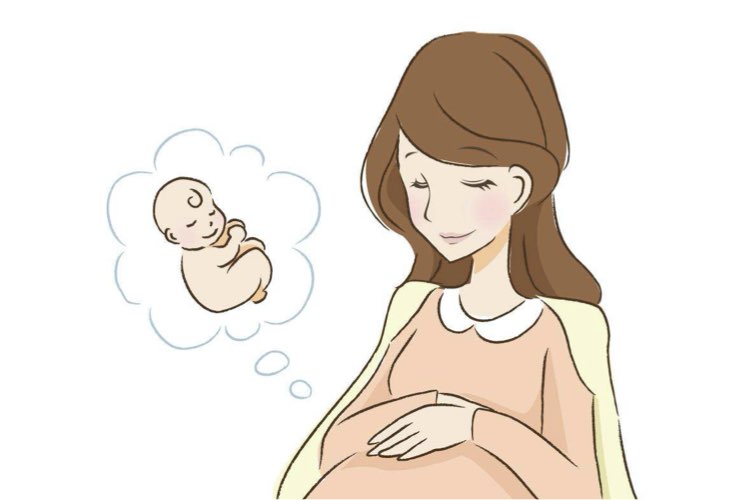
Be Sure to Perform Pre-pregnancy Oral Examination and Treatment
During pregnancy, some oral diseases can lead to severe pain, limited mouth opening, etc., affecting the rest and diet of pregnant women, and even the health of the fetus. However, many treatments are not suitable to be carried out during pregnancy. Therefore, it is essential to have a comprehensive oral examination and teeth cleaning before planning to get pregnant, and to receive early treatment for dental caries, periodontal disease, impacted wisdom teeth, defective prostheses, and residual roots.
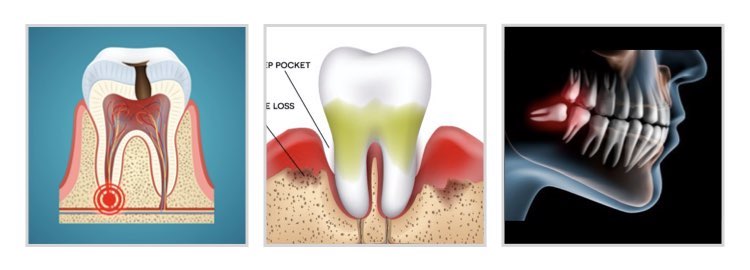 |
||
| Dental Caries | Periodontal Disease | Impacted Wisdom Teeth |
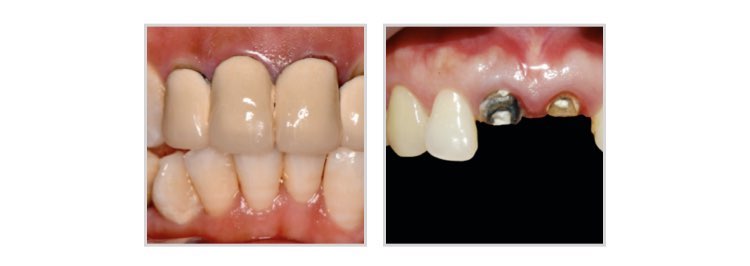 |
|||
| Defective Prostheses | Residual Roots | ||
Strictly Guard Against the Three Major Oral Diseases During Pregnancy
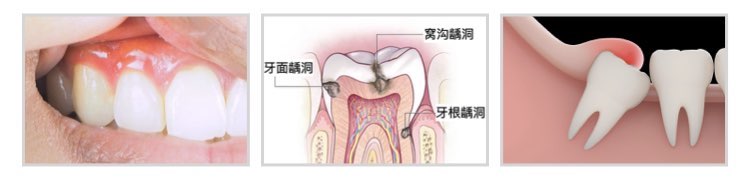
Dental caries, periodontal disease, and wisdom tooth pericoronitis are common oral diseases that affect the health of pregnant women. It is recommended to complete relevant treatments before pregnancy.
 |
||
| Periodontal Disease | Dental Caries | Wisdom Tooth Pericoronitis |
Periodontal Disease
Periodontal diseases manifest as swollen gums, bleeding, bad breath, etc. Research shows that if a pregnant woman has severe gingivitis or periodontitis, the chance of premature birth or low birth weight is about 7 times that of pregnant women without periodontal disease.
Dental Caries
Dental caries, commonly known as tooth decay, is the loss of tooth minerals caused by acid released by bacteria, which in turn forms cavities that progress from shallow to deep. If the cavity extends to the pulp chamber during pregnancy, it may lead to pulp infection and severe pain. It is not advisable to undergo pulpitis treatment during pregnancy, as it will increase the risk of delivery.
Wisdom Tooth Pericoronitis
If wisdom teeth are difficult to clean, it easily leads to bad breath, periodontal inflammation and swelling, and even severe pain. In severe cases, the jaw swells and it is even difficult to open the mouth. Only simple anti-inflammatory treatment can be performed during pregnancy; it is not advisable to perform wisdom tooth extraction, as it will increase the risk of delivery.
Four Major Causes of Oral Diseases During Pregnancy
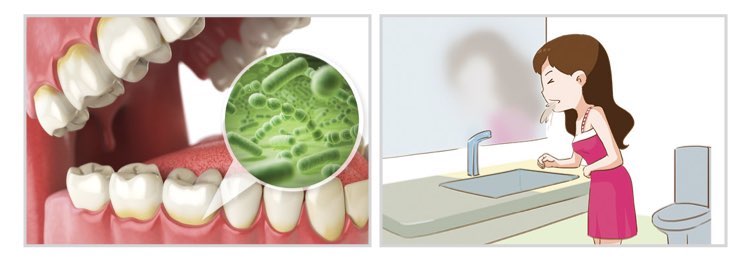
During pregnancy, the body and living habits undergo significant changes, leading to active oral bacteria and increased acidity, which induce or aggravate oral diseases such as dental caries, periodontal disease, and wisdom tooth pericoronitis, causing swollen gums, tooth sensitivity, and even severe pain. During pregnancy, it is essential to perform self-cleaning such as gargling, brushing, and flossing.
 |
|
| 1. Increased Bacterial Activity | 2. Heartburn and Morning Sickness |
 |
|
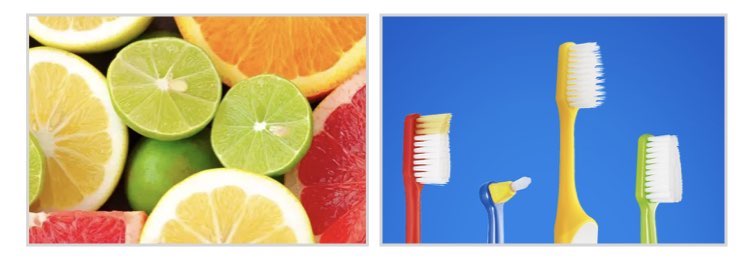
| 3. More Acidic Foods | 4. Infrequent Tooth Brushing |
1. Increased Bacterial Activity
Hormonal changes during pregnancy lead to a dramatic increase in the number of oral bacteria, making them more destructive.
2. Heartburn and Morning Sickness
Heartburn and morning sickness cause stomach acid to reflux back into the esophagus or mouth, keeping the mouth in an acidic environment.
3. More Acidic Foods
Many pregnant women prefer acidic foods, leading to a highly acidic oral environment.
4. Infrequent Tooth Brushing
Pregnant women often experience a gag reflex when brushing back teeth, making them dislike brushing and unable to remove dental plaque in time.
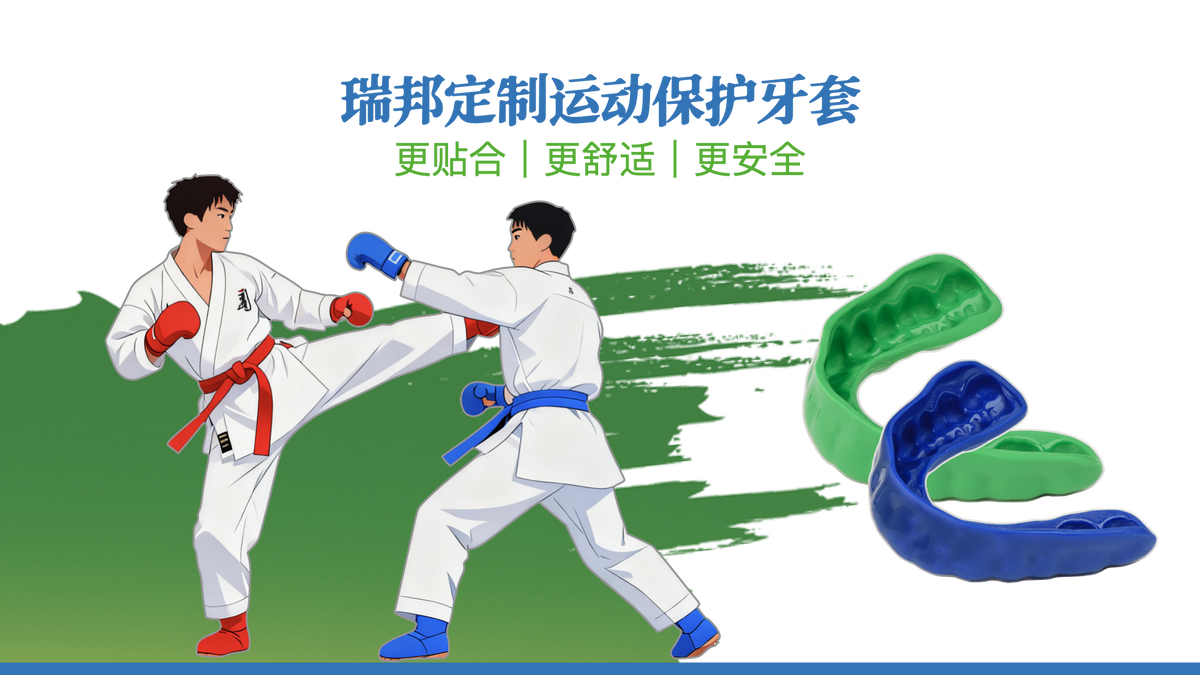
Which Sports Require Wearing a Mouthguard?
Sports-related dental injuries are far more common than many people think, with thousands of athletes suffering preventable dental trauma every year. From chipped and broken teeth to jaw fractures and soft tissue injuries, the consequences of not wearing appropriate protective gear can be severe and far-reaching.
An athletic mouthguard acts as a vital barrier, protecting teeth from impact, absorbing and dispersing the force of blows, thereby reducing the risk of injury. Mouthguards not only protect teeth but also guard the lips, tongue, and jaw, preventing expensive dental emergencies and preserving your natural smile.
The importance of protective sports mouthguards extends beyond contact sports like boxing, martial arts, and rugby; even activities like cycling, skateboarding, and basketball carry a risk of facial injury. Children's sports mouthguards are particularly crucial, as young athletes are more prone to accidents and their developing teeth require extra protection. Athletes undergoing orthodontic treatment with braces especially need to consult for custom-made sports mouthguards, as standard over-the-counter mouthguards may not fit perfectly over orthodontic brackets.

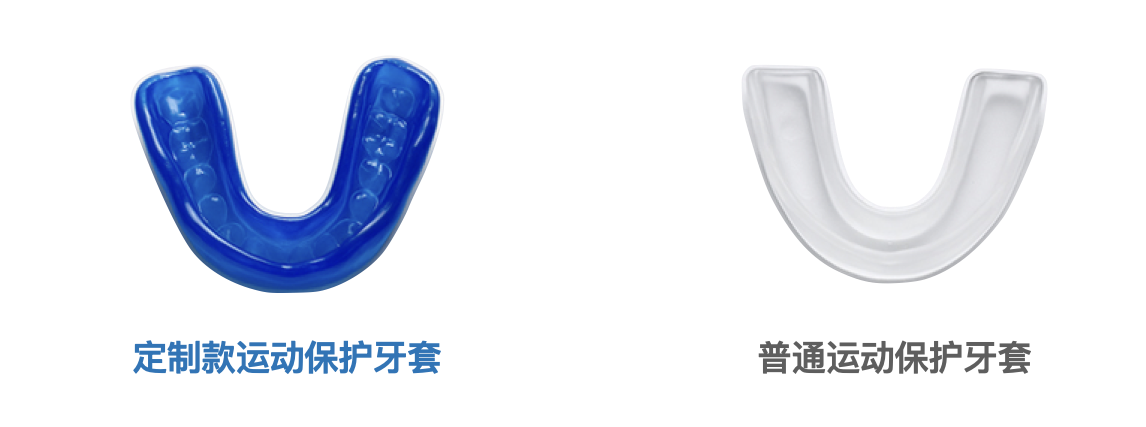
Comparison Between Custom Sports Mouthguards and Standard Mouthguards
While over-the-counter standard mouthguards may seem convenient and affordable, they often fail to provide adequate protection and comfort. Standard mouthguards typically have a poor fit, are bulky, uncomfortable to wear, and can easily dislodge during sports, which might actually increase the risk of injury.
Our custom-tailored sports mouthguards offer significant advantages. These professionally crafted mouthguards are made from impressions of your unique dental structure, ensuring a perfect fit and secure retention. Custom mouthguards provide superior protection while allowing you to speak clearly and breathe easily, helping athletes perform at their best.
Custom Mouthguards in Just Two Visits

01 First Visit | Consultation & Intraoral Scanning/Impression: The dentist will customize the most suitable sports mouthguard based on your age, sport, dental structure, and protection needs. We use advanced intraoral scanning and impression techniques to create a precise model of your teeth, ensuring a perfect fit for the mouthguard.
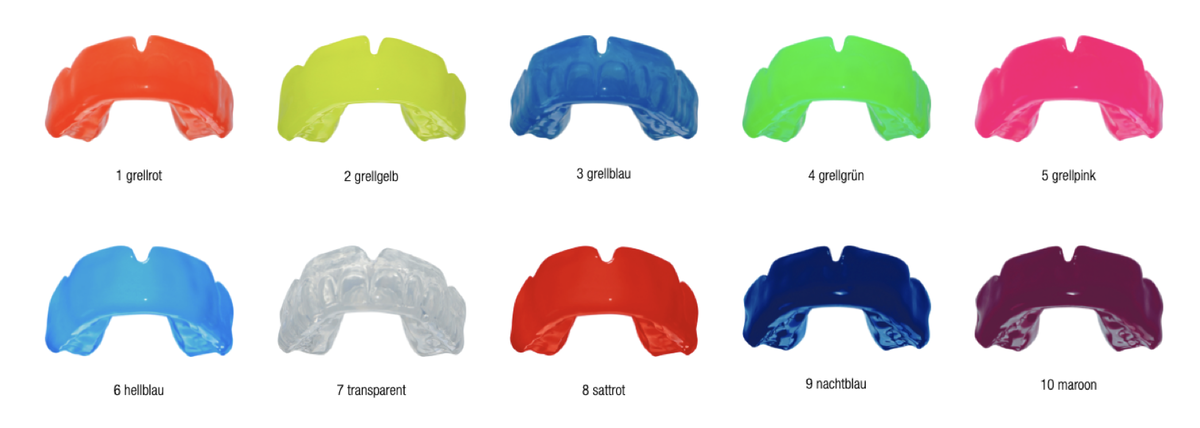
02 Fabrication | 7-Day Wait: It typically takes 7 days, with expedited options available. Clients can choose their preferred mouthguard colors.
03 Second Visit | Fitting & Delivery: The dentist will fit the mouthguard for you, check and adjust it to ensure the best fit, comfort, and protection.
Reborn Mouthguard Color Options
Frequently Asked Questions (FAQ)
How long does a Reborn custom sports mouthguard last?
With proper care and regular use, a custom sports mouthguard typically lasts 1 to 3 years. The exact lifespan depends on the intensity of use and the athlete's age. Children may require more frequent replacements as their mouths grow and develop.
Can I still wear a custom sports mouthguard if I wear braces?
Yes, sports mouthguards can be specifically designed to accommodate braces and other orthodontic appliances. Wearing a mouthguard is particularly important for athletes with braces, as metal brackets and wires can cause additional injury under the force of sports impact.
How do I clean my sports mouthguard?
After each use, clean the mouthguard with cool water and antibacterial soap or a dedicated mouthguard cleaner. Dry it thoroughly or let it air dry, and store it in its protective case. Do not wash the mouthguard with hot water, as heat can warp and deform it.
Which sports require wearing a protective mouthguard?
Sports mouthguards are typically mandatory in combat and contact sports like boxing, martial arts, karate, taekwondo, and rugby. However, we recommend wearing a mouthguard during any sport with a risk of facial contact or falls, including basketball, skateboarding, and cycling.
Will wearing a sports mouthguard affect my breathing or speaking?
A properly fitted custom sports mouthguard should not significantly affect breathing or speaking. Unlike bulky, over-the-counter mouthguards, professionally made custom mouthguards provide protection while maintaining normal oral functions.
How much does a Reborn custom sports mouthguard cost?
Reborn Dental's custom sports mouthguards are priced at 1,500 RMB each. Returning customers or referrals from partners can enjoy up to a 15% discount.
| Item | Unit | Standard Price | Gold Member Free |
Platinum Member Free |
| Oral Examination | Session | 100 | 0 | 0 |
| Periapical X-ray | Session | 50 | 0 | 0 |
| Panoramic X-ray | Session | 150 | 0 | 0 |
| Cephalometric X-ray | Session | 150 | 0 | 0 |
| Dental CT Scan | Session | 300 | 0 | 0 |
| Item | Unit | Standard Price | Gold Member 50% Off |
Platinum Member 50% Off |
| Medical Image Data Copying | Copy | 200 | 100 | 100 |
| Intraoral Scan | Session | 300 | 150 | 150 |
| Dental Plaque Test | Session | 200 | 100 | 100 |
| Teeth Cleaning (Ultrasonic) | Full Mouth | 400 | 200 | 200 |
| Teeth Cleaning (Sandblasting) | Full Mouth | 400 | 200 | 200 |
| Swiss EMS Ultra-Gentle Teeth Cleaning | Full Mouth | 800 | 400 | 400 |
| Guided Biofilm Therapy (GBT) | Full Mouth | 1000 | 500 | 500 |
| Children's Dental Cleaning | Full Mouth | 300 | 150 | 150 |
| Children's Full-Mouth Fluoride Treatment | Session | 300 | 150 | 150 |
| Children's Pit and Fissure Sealing | Tooth | 200 | 100 | 100 |
| Item | Unit | Standard Price | Gold Member 10% Off |
Platinum Member 15% Off |
| Night Guard | Single Arch | 500 | 450 | 425 |
| Sports Mouthguard | Full Mouth | 1500 | 1350 | 1275 |
| Clear Anti-Snoring Device | Set | 3000 | 2700 | 2550 |
Apply for Membership to Enjoy Discounts
To encourage regular oral prevention and provide the best protection for natural teeth, all-ceramic teeth, and dental implants, Ruibang has established a membership system. Membership tiers include Gold Card and Platinum Card, offering corresponding treatment discounts.

Gold Card: CNY 600
Free ultrasonic dental cleanings (3 times)
Free X-rays/CT scans (unlimited)
and treatment discounts

Platinum Card: CNY 1200
Free ultra-gentle dental cleanings (3 times)
Free X-rays/CT scans (unlimited)
and treatment discounts
How to become a Ruibang member?
1. Purchase a membership card.
2. Recommended by an existing Ruibang customer to directly obtain the same membership status.
3. If your company is a corporate client of Ruibang Group, you can obtain the corresponding membership status.
4. Once you become a member, simply get your teeth cleaned at Ruibang once a year to maintain your membership status.
-
Dental Examination & Preventive Care Price ListDental Examination/Diagnosis/Prevention Prices (CNY)
Item Unit Standard Price Gold Member
FreePlatinum Member
FreeOral Examination Session 100 0 0 Periapical X-ray Session 50 0 0 Panoramic X-ray Session 150 0 0 Cephalometric X-ray Session 150 0 0 Dental CT Scan Session 300 0 0 Item Unit Standard Price Gold Member
50% OffPlatinum Member
50% OffMedical Image Data Copying Copy 200 100 100 Intraoral Scan Session 300 150 150 Dental Plaque Test Session 200 100 100 Teeth Cleaning (Ultrasonic) Full Mouth 400 200 200 Teeth Cleaning (Sandblasting) Full Mouth 400 200 200 Swiss EMS Ultra-Gentle Teeth Cleaning Full Mouth 800 400 400 Guided Biofilm Therapy (GBT) Full Mouth 1000 500 500 Children's Dental Cleaning Full Mouth 300 150 150 Children's Full-Mouth Fluoride Treatment Session 300 150 150 Children's Pit and Fissure Sealing Tooth 200 100 100 Item Unit Standard Price Gold Member
10% OffPlatinum Member
15% OffNight Guard Single Arch 500 450 425 Sports Mouthguard Full Mouth 1500 1350 1275 Clear Anti-Snoring Device Set 3000 2700 2550 Apply for Membership to Enjoy Discounts
To encourage regular oral prevention and provide the best protection for natural teeth, all-ceramic teeth, and dental implants, Ruibang has established a membership system. Membership tiers include Gold Card and Platinum Card, offering corresponding treatment discounts.
Gold Card: CNY 600
Free ultrasonic dental cleanings (3 times)
Free X-rays/CT scans (unlimited)
and treatment discounts
Platinum Card: CNY 1200
Free ultra-gentle dental cleanings (3 times)
Free X-rays/CT scans (unlimited)
and treatment discounts
How to become a Ruibang member?
1. Purchase a membership card.
2. Recommended by an existing Ruibang customer to directly obtain the same membership status.
3. If your company is a corporate client of Ruibang Group, you can obtain the corresponding membership status.
4. Once you become a member, simply get your teeth cleaned at Ruibang once a year to maintain your membership status.