

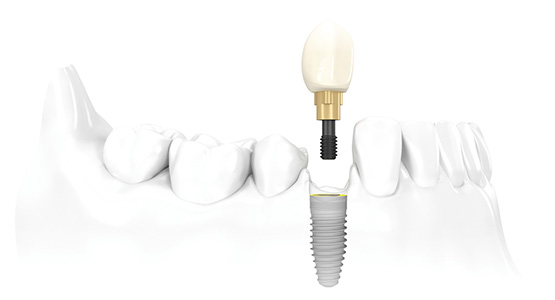
Restored Chewing Function
Dental implants are securely anchored in the jawbone, providing stable and efficient chewing function. They also help preserve the jawbone after tooth loss and maintain the natural position of surrounding teeth.
Unlike removable dentures, implants are fixed in place and do not slip or move while eating or speaking. They offer a natural feel and greater comfort in everyday use.
No Need to Prepare Adjacent Teeth
Dental implants replace missing teeth independently and do not rely on neighboring teeth for support. As a result, healthy adjacent teeth can generally be preserved without being prepared.
By contrast, a conventional dental bridge requires the teeth next to the missing tooth to be prepared as abutments to support the bridge. Dental implants therefore allow the missing tooth to be replaced without altering the adjacent teeth.


1. Treatment Planning
A thorough examination is essential before implant treatment. Dental CT scans and intraoral examinations are performed to evaluate bone volume, the condition of the gums and periodontal tissues, and the overall health of the treatment area. General health conditions, including blood pressure and blood glucose levels, are also assessed when appropriate.
Any active periodontal disease should be treated before implant placement, as it may increase the risk of complications. If there is insufficient bone volume, bone grafting may be required before implant placement. In cases of inadequate keratinized tissue, soft-tissue grafting may also be recommended.
Reborn Dental Clinic offers several implant treatment options:
・Conventional Implant Placement: The implant is placed into the jawbone and allowed to heal and integrate with the surrounding bone before the permanent crown or bridge is fitted, typically after about three months.
・Minimally Invasive Implant Placement: A minimally invasive surgical approach can reduce tissue trauma and postoperative discomfort, providing a more comfortable treatment experience and faster recovery.
・Immediate Loading: In selected cases, a temporary crown or bridge can be placed shortly after implant placement, allowing patients to leave the clinic with teeth on the same day. This approach may be considered for suitable anterior or full-arch cases.
・Immediate Implant Placement: When conditions are suitable, an implant can be placed immediately after tooth extraction, eliminating the need for a separate implant placement procedure. Immediate implant placement may also help preserve the bone and soft-tissue contours following tooth extraction.
2. Implant Placement
Once the patient is confirmed to be a suitable candidate, the implant is surgically placed into the jawbone. A healing period is then required for the implant to integrate with the surrounding bone. This process typically takes around three months, although the actual healing time varies from patient to patient
3. Temporary Crowns or Bridges
For selected anterior, partial-arch, or full-arch cases, temporary crowns or bridges may be provided during the healing period. This helps restore appearance and basic function while the implants are healing.
4. Permanent Crowns or Bridges
Once the implant has successfully integrated with the surrounding bone and the tissues have healed adequately, the permanent crown or bridge is fabricated and fitted. This is typically done around three months after implant placement, depending on the individual case.
5. Implant Maintenance
Dental implants require regular professional care and are not a once-and-done treatment. We recommend regular examinations, typically every six to twelve months, to monitor the implants, surrounding tissues, and bite.
Good oral hygiene and professional maintenance are essential for reducing the risk of complications such as excessive occlusal forces, prosthetic or implant component loosening, and peri-implantitis. With proper care and regular follow-up, dental implants can provide long-term function and stability.
Reborn Dental Clinic emphasizes:
Dental implants are a long-term investment in your oral health. Careful treatment planning, appropriate preparation, and regular maintenance all contribute to long-term implant success.
Patients should be fully informed of the potential benefits, limitations, and risks of implant treatment before making a decision. At Reborn Dental Clinic, we believe that clear and honest communication is an essential part of responsible dental care.
Increase Alveolar Bone Width and Height

Maxillary Sinus Lift to Increase Bone Height of Maxillary Posterior Teeth


Minimally invasive techniques can be particularly beneficial for patients requiring multiple implants, half-mouth rehabilitation, or full-mouth implant treatment. By minimizing surgical trauma, the overall treatment experience can be made more comfortable and convenient.
Guided Dental Implant Surgery

Based on this digital treatment plan, a customized surgical guide is designed to assist the dentist during implant placement. The guide helps control the planned position, angulation, and depth of the implant, allowing the implants to be placed according to the predetermined treatment plan and providing a more predictable foundation for the final restoration.

Long-Term Maintenance Is Key to Implant Health
Preventing peri-implantitis begins with a well-planned and properly executed implant treatment. Choosing an experienced dental team and following an individualized treatment plan can provide a strong foundation for the long-term stability of your dental implants. After implant treatment, regular professional maintenance and follow-up are also essential. At Reborn Dental Clinic, we recommend regular implant examinations and professional maintenance—at least once a year—to monitor the health of the tissues around the implants, identify potential problems at an early stage, and provide timely treatment when necessary.

In Hong Kong, a single dental implant typically costs around HKD 15,000–30,000 per tooth. At Reborn Dental Clinic, implant treatment generally ranges from CNY 7,600–18,000 per tooth, depending on the implant system, restorative materials, and individual treatment requirements. This is within the mid-range of implant treatment costs in Shenzhen.
So, what other factors may affect the final cost?
Additional Treatment
The basic implant fee may not include procedures required to prepare the oral environment or improve treatment predictability, such as bone grafting, gum grafting, periodontal treatment, minimally invasive procedures, or guided implant surgery. The choice of restorative materials and implant brands may also affect the final cost.
For this reason, online or telephone quotations can only provide an estimate. An accurate treatment plan and total cost can be determined only after a clinical examination and appropriate diagnostic imaging.
The Experience of the Implant Dentist
Implant dentists have different levels of clinical experience. An experienced dentist can assess complex conditions, develop an appropriate treatment plan, select suitable implant and restorative solutions, and manage potential surgical challenges more effectively.
Professional fees may therefore vary according to the dentist’s experience and expertise.
The Dentist’s Time and Involvement
Implant treatment requires more than the surgical procedure itself. Diagnosis, treatment planning, communication, surgery, restoration, and follow-up all require the dentist’s time and clinical judgment.
At Reborn Dental Clinic, we place emphasis on direct communication between the patient and the treating dentist, particularly when discussing diagnosis, treatment options, risks, and expected outcomes. A more individualized approach naturally requires sufficient time for each case.
Long-Term Maintenance
Dental implants require regular professional care after treatment. Periodic examinations allow the dentist to monitor the implant and surrounding tissues and identify potential problems at an early stage.
At Reborn Dental Clinic, we recommend professional implant maintenance at least once a year. When comparing implant costs, it is therefore worth considering not only the initial treatment fee, but also the clinical expertise, level of care, and long-term maintenance included throughout the treatment journey.
From treatment planning and implant surgery to final restoration, Reborn’s full-time dental implant specialists remain involved throughout the treatment process, with a focus on the long-term stability of each implant. As full-time clinicians, they also provide more consistent and convenient follow-up care.
Expertise in Implant Surgery, Restoration, and Comprehensive Oral Care
Before specializing in dental implants, Reborn’s implant dentists have extensive experience in oral treatment and restoration. Their implant plans are based on two essential principles: periodontal health and functional occlusion. Careful attention to both helps support the long-term stability of dental implants.
Dentist-Led Consultations, Without Sales Consultants
Reborn follows a primary dentist responsibility system, with no treatment consultants working on sales-based performance. The primary dentist personally evaluates each patient, explains the treatment options, risks, and costs, and ensures that patients can make informed decisions. Potential risks are discussed openly rather than minimized for the sake of treatment conversion.
Long-Term Maintenance Backed by Extensive Clinical Experience
Dental implants, like natural teeth, require regular professional care and maintenance. Since 2007, Reborn has provided annual implant maintenance for its patients and has followed thousands of implant cases over the years. This long-term clinical experience provides valuable insight into implant maintenance and stability over time.
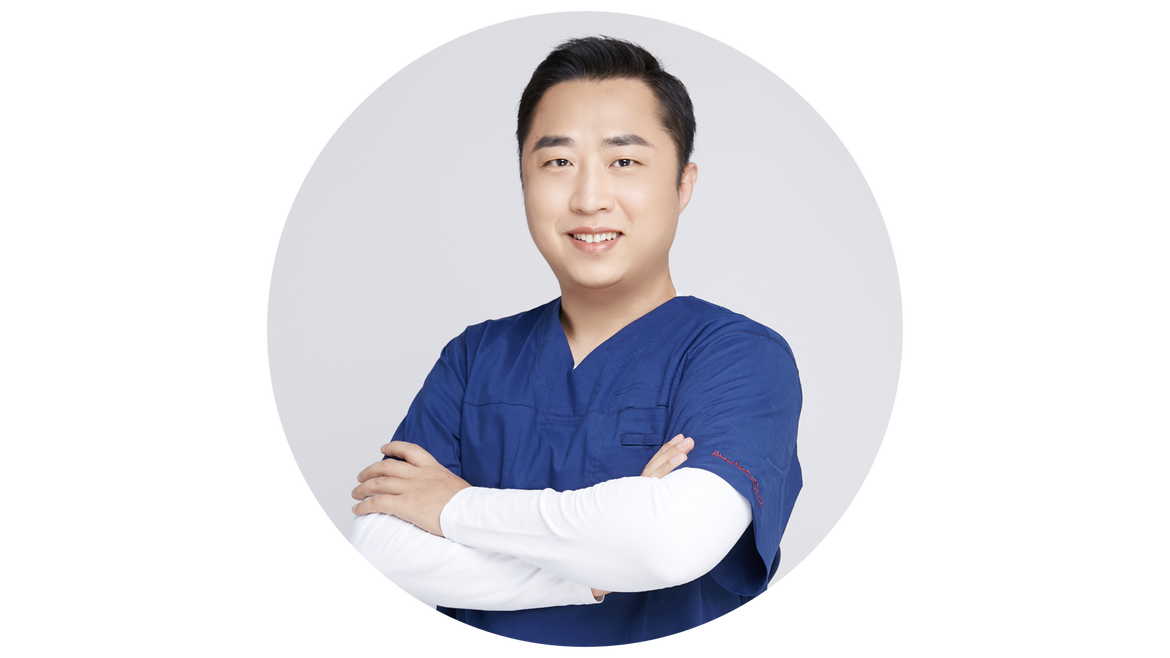
Dr. Zeng Kai
Attending Physician, Stomatology
21‑year Specialized Experience in Dental Implantology
Graduated from the School of Stomatology, Wuhan University
• Nobel Biocare Certified Implant Dentist
• Dentium Certified Implant Dentist
• 2021 Excellent Case Award, FOR International Dental Implant Forum
• 2022 Star Clinician Excellent Case Award, Nobel Biocare Implant Case‑Sharing Carnival
Dr. Zeng Kai has 26 years of dental experience and 21 years of clinical experience in dental implantology. He is rigorous in his work, sincere, gentle, and attentive. Motto: Strive for minimally invasive and comfortable treatment!
Academic Activities and Honors
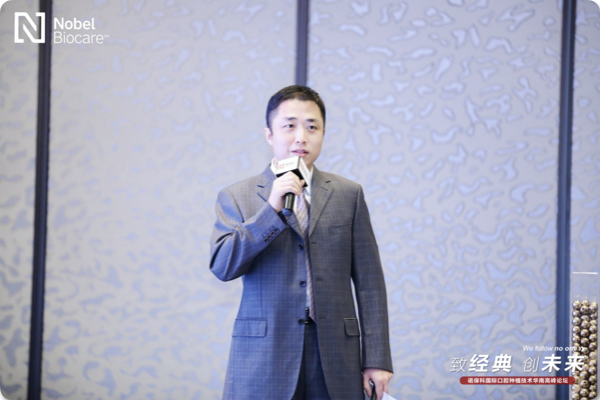
2022 Keynote Speech on Dental Implants, Nobel Biocare Case Sharing Carnival

2021 Keynote Speech on Dental Implants, FOR International Dental Implant Technology Summit Forum
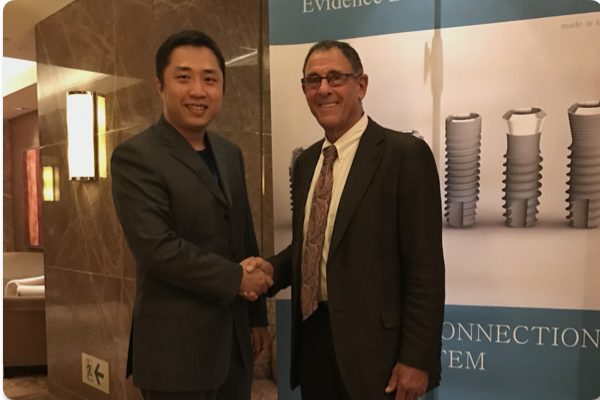
2016, Invited Participant, Annual Congress of International Society of Modern Dentistry (Hong Kong)

2021 Excellent Case Award, FOR International Dental Implant Forum

2022 Star Clinician Excellent Case Award, Nobel Biocare Implant Case‑Sharing Carnival
-
What are the causes of dental implant failure?

In recent years, we have seen an increasing number of patients referred to us after experiencing dental implant complications or failure at other clinics. Some implants can be successfully treated and maintained, while others may require removal and replacement.
For patients, implant failure can mean undergoing another surgical procedure and incurring additional treatment costs. In some cases, significant bone loss around a failed implant may also require bone augmentation before a new implant can be placed, making the subsequent treatment more complex and time-consuming.
This naturally raises an important question: If dental implants are designed to provide long-term tooth replacement, why can they still fail after several years?
The long-term success of a dental implant depends on multiple factors, including the implant system itself, surgical and prosthetic planning, occlusal loading, periodontal and peri-implant health, the condition of the bone and soft tissues, and the patient’s systemic and lifestyle factors.
Below are some of the major factors that may affect the long-term stability of dental implants.
1. The Impact of the Implant System and Implant Selection:

Dental implants from different manufacturers can differ considerably in their design, surface characteristics, connection geometry, thread configuration, and mechanical properties. These factors can influence primary stability, osseointegration, load distribution, and the long-term behavior of the implant and surrounding tissues.
However, it is important to understand that implant failure cannot be attributed simply to the brand or price of an implant. Modern implant systems from reputable manufacturers generally have extensive clinical evidence supporting their safety and effectiveness. Long-term success depends not only on the implant itself, but also on whether the implant system is appropriately selected and correctly used.
When choosing an implant, the dentist should consider factors such as the patient’s bone anatomy, implant position, available space, prosthetic requirements, occlusal conditions, and overall oral health. Different implant designs have different indications and limitations, and there is no single implant that is ideal for every clinical situation.
Choosing a well-established implant system also has practical advantages. Reliable manufacturers typically maintain quality-control standards, provide technical support, and make original components available for future maintenance and restoration. This can be particularly important when implant-supported restorations require repair or replacement many years later.
Ultimately, the most expensive implant is not necessarily the best choice for every patient. The appropriate implant is the one that is properly selected for the individual clinical situation and correctly integrated into the overall treatment plan.
2. The Impact of Occlusal Forces on Dental Implants

Dental implants are designed to withstand normal functional loading, but excessive, concentrated, or poorly distributed occlusal forces can increase the risk of biological and mechanical complications.
Excessive loading may contribute to marginal bone loss in susceptible situations and can also cause mechanical complications such as screw loosening, component fracture, or fracture of the prosthetic restoration. Severe or repeated overload may be particularly problematic in patients with bruxism or other parafunctional habits.
Occlusal considerations therefore need to be addressed from the beginning of treatment. The implant should be positioned in a way that provides appropriate support for the planned restoration and minimizes unfavorable biomechanical forces. During crown design, factors such as implant position, crown dimensions, occlusal contacts, and the distribution of functional forces should all be taken into account.
Patients should also avoid deliberately using implant-supported teeth to bite extremely hard objects or foods. For particularly hard or tough foods, cutting them into smaller pieces can reduce excessive loading.
For patients with significant bruxism or other parafunctional habits, the dentist may recommend a customized night guard to help protect the implant-supported restoration and other teeth.
Regular maintenance is equally important. During follow-up visits, the dentist can assess the condition of the implant and prosthetic components, check for mobility or mechanical complications, evaluate occlusion, and monitor changes in the surrounding bone and soft tissues. Early detection can often prevent a minor mechanical or biological problem from developing into a more serious complication.
3. The Impact of Periodontal and Peri-Implant Health

Periodontal and peri-implant health is one of the most important factors in the long-term maintenance of dental implants.
Plaque accumulation around an implant can cause peri-implant mucositis, an inflammatory condition affecting the soft tissues surrounding the implant. If inflammation persists and progresses, it may develop into peri-implantitis, which is associated with progressive loss of supporting bone around the implant.
As bone loss advances, the implant may become increasingly exposed and lose its supporting structures. In advanced cases, implant removal may ultimately be necessary.
For this reason, periodontal health should be carefully evaluated before implant treatment. Active periodontal disease should be appropriately controlled before implant placement, because untreated periodontal inflammation and poor plaque control can increase the risk of future peri-implant complications.
After implant placement, meticulous daily oral hygiene is essential. Patients should brush thoroughly and clean between the teeth and around the implant-supported restoration using appropriate interdental cleaning aids. Dental floss, interdental brushes, or other devices may be recommended depending on the anatomy and design of the restoration.
Professional maintenance is also an important part of long-term implant care. At regular intervals, the dentist should evaluate the soft tissues, plaque control, occlusion, prosthetic components, and supporting bone. Professional plaque and calculus removal can be performed using instruments and techniques appropriate for implant surfaces.
Importantly, peri-implant disease is not simply a problem of “dirty teeth.” Its development is influenced by multiple factors, including plaque accumulation, a history of periodontal disease, smoking, oral hygiene, prosthetic design, and individual susceptibility. Regular professional monitoring allows these risk factors to be identified and managed as early as possible.
4. The Importance of Bone and Soft-Tissue Conditions

Adequate bone volume and healthy soft tissues are important for the functional, biological, and aesthetic outcomes of implant treatment.
The implant needs sufficient surrounding bone to provide appropriate support and maintain healthy peri-implant tissues. However, there is no universal rule that every implant must have exactly 2 mm of bone on every surface in every clinical situation. The required amount and distribution of bone depend on factors such as implant position, implant dimensions, anatomical limitations, prosthetic requirements, and the condition of the surrounding tissues.
Where bone volume is insufficient, bone augmentation may be recommended before or in conjunction with implant placement. Depending on the clinical situation, different augmentation techniques may be considered.
Soft-tissue conditions are equally important. Adequate keratinized mucosa around implants can facilitate plaque control and may improve patient comfort and soft-tissue health, although the clinical significance of keratinized tissue width and thickness is influenced by the individual situation. Insufficient soft-tissue volume or unfavorable tissue anatomy may increase the risk of mucosal recession, inflammation, or aesthetic problems in certain patients.
When necessary, soft-tissue augmentation procedures, such as connective tissue or keratinized tissue grafting, may be considered.
Therefore, before implant placement, the dentist should carefully evaluate the three-dimensional bone anatomy, soft-tissue condition, implant position, and prosthetic requirements. When deficiencies are identified, correcting them as part of the overall treatment plan can improve the biological and functional conditions for long-term implant maintenance.
5. The Impact of Diabetes on Dental Implants

Diabetes does not automatically prevent a patient from receiving dental implants. However, poorly controlled diabetes can affect wound healing and the body’s response to infection and may increase the risk of complications following implant surgery.
The level of glycemic control is therefore an important consideration when planning implant treatment. Patients with diabetes should have their general health and diabetic status appropriately assessed, and those with poor glycemic control may need to stabilize their condition in consultation with their physician before elective implant surgery.
The dentist should also consider other factors that may affect healing, including the patient’s overall medical condition, medications, oral hygiene, and history of periodontal disease.
For patients with well-controlled diabetes and appropriate oral and systemic health, dental implants can be a viable treatment option. The key is not simply whether a patient has diabetes, but how well the condition is controlled and whether the patient’s overall health is suitable for implant treatment.
6. The Impact of Smoking on Dental Implants

Smoking is a well-established risk factor for adverse implant outcomes. It can negatively affect the oral environment and is associated with impaired wound healing and an increased risk of peri-implant complications.
The harmful effects of smoking are not simply due to an increase in oral temperature. Tobacco smoke contains nicotine and numerous other substances that can affect vascular function, tissue oxygenation, inflammatory responses, and immune function. These effects can interfere with healing and may increase the risk of complications after implant surgery.Smoking is also associated with a higher risk of peri-implant disease and implant failure, particularly when combined with poor oral hygiene or a history of periodontal disease.
For patients who smoke, quitting is strongly recommended before implant surgery and throughout the healing period. The longer smoking cessation is maintained, the more favorable the conditions for healing and long-term implant maintenance are likely to be.
Even after the implant has successfully integrated, avoiding or minimizing smoking remains advisable. Long-term implant health depends on continued control of risk factors rather than simply completing the surgical and restorative stages.
Implant Failure Is Usually Multifactorial
It is important to understand that implant failure rarely has a single cause. In many cases, several risk factors interact over time. Surgical factors, implant positioning, bone and soft-tissue conditions, occlusion, periodontal and peri-implant health, systemic diseases, smoking, oral hygiene, and prosthetic factors may all contribute to the outcome.
Implant complications can also be broadly divided into biological complications, such as peri-implant inflammation and progressive bone loss, and mechanical complications, such as screw loosening, component fracture, or prosthetic fracture. Not every implant complication means that the implant itself has failed, and many problems can be successfully managed when detected early.
Furthermore, implant failure does not necessarily occur at a predictable point in time. Some failures occur relatively early, while biological or mechanical complications may develop after several years of function. This is why long-term follow-up is an essential part of implant treatment.
Dental implants can provide highly predictable and long-lasting tooth replacement when they are appropriately planned, surgically placed, restored, and maintained. However, they are not immune to biological or mechanical complications.
The best way to reduce the risk of implant failure is therefore not simply to choose a particular implant brand, but to choose an experienced implant dentist, establish a comprehensive treatment plan, address relevant risk factors before treatment, and maintain regular professional follow-up after treatment.
Long-term implant success is not determined by the day the implant is placed. It is the result of careful planning, precise treatment, appropriate maintenance, and continued attention to oral health over the years. -
Why Does the Dentist Play Such an Important Role in Dental Implant Tre

The long-term success of dental implants depends on many factors, including the patient’s oral health, implant system, prosthetic design, oral hygiene, and maintenance. Among these, the dentist plays a central role because the diagnosis, treatment planning, surgical placement, restoration, and long-term maintenance of an implant are closely connected.
Dental Implant Treatment Planning
Dental implant treatment is not a one-size-fits-all procedure. Each patient’s oral condition is different, so the treatment plan must be tailored accordingly.
The first consideration is often the treatment sequence. Patients with healthy gums and sufficient bone may be able to proceed directly to implant placement. Others may first require periodontal treatment, bone grafting, or soft-tissue augmentation to establish suitable conditions for implantation. Although these additional procedures may make treatment more complex, they can help create a more favorable environment for long-term implant stability.
The choice of implant system and components should also be based on the patient’s specific needs, including the location of the missing tooth, available bone, soft-tissue condition, occlusion, aesthetic requirements, and overall treatment plan. Different implant designs and surface characteristics may offer advantages in different clinical situations. The goal is not to choose the most advanced or expensive implant, but the one that is appropriate for the patient’s individual circumstances.
Before treatment, the dentist should conduct a comprehensive examination and explain the patient’s oral condition, treatment options, potential risks, expected treatment time, and relevant differences in function, aesthetics, and materials. This allows the patient to understand the options and participate in making an informed decision.
Execution of the Dental Implant Plan
Once the treatment plan has been established, accurate surgical execution is essential. Careful implant positioning, angulation, depth, and three-dimensional placement provide an important foundation for the subsequent restoration.
However, implant treatment does not end when the implant is placed. The final crown must provide appropriate function, aesthetics, and access for daily cleaning. The experience and coordination of the restorative dentist and dental technician are therefore also important.
An improperly designed restoration may contribute to unfavorable occlusal forces, food impaction, difficulty cleaning, or irritation of the surrounding soft tissues. Over time, these problems may increase the risk of mechanical complications, peri-implant inflammation, or bone loss. A successful implant restoration therefore requires more than simply placing an implant in the bone—it requires the entire treatment to work as a coordinated system.
Follow-up Care and Maintenance of Dental Implants
Dental implants require ongoing care after treatment. Their long-term condition can be affected by plaque accumulation, periodontal disease, excessive occlusal forces, and mechanical complications such as loose or worn components.
Regular professional maintenance allows potential problems to be identified before they become more difficult to manage. Depending on the clinical situation, maintenance may include examination of the implant and prosthetic components, assessment of the surrounding gums and bone, evaluation of occlusion, and professional removal of plaque and calculus. Air polishing and other appropriate professional cleaning methods may also be used to help control plaque around the implant and reduce the risk of peri-implant mucositis and peri-implantitis.
Follow-up visits are also an important opportunity for communication. Patients can report changes such as discomfort, food impaction, changes in their bite, or difficulty cleaning, allowing the dentist to identify and address problems at an early stage. -
How to choose a good dentist?

Choosing a dentist—especially for dental implants—is not simply about choosing a clinic or a particular implant brand. A dentist’s education, clinical experience, commitment to long-term care, and approach to patient communication all deserve careful consideration.
Academic Background
A dentist’s academic background provides the foundation for clinical practice. When possible, it is reasonable to consider dentists who received formal dental education from established universities, where training is generally structured and systematic. Well-known dental schools in mainland China include West China School of Stomatology of Sichuan University, Peking University School and Hospital of Stomatology, Wuhan University School of Stomatology, School of Stomatology of Air Force Medical University (formerly the Fourth Military Medical University), College of Stomatology of Shanghai Jiao Tong University (formerly Shanghai Second Medical University), Guanghua School of Stomatology of Sun Yat-sen University, and School of Stomatology of Tongji Medical College, Huazhong University of Science and Technology, among others.
However, university education is only the beginning. Continuing education is equally important, particularly in implant dentistry, where techniques, materials, and clinical protocols continue to evolve. Over the past several decades, advances in dentistry have been closely associated with developments in dental materials, implant systems, digital technology, and clinical techniques. Continuing education programs organized by universities, professional associations, manufacturers, and specialized training institutions have therefore become an important part of professional development.
For implant dentistry in particular, systematic training should ideally progress from fundamental theory to clinical application and from straightforward to more complex cases. A fragmented approach to learning may leave gaps that only become apparent when a dentist encounters more challenging clinical situations. A dentist’s continuing education history can therefore provide useful insight into their professional attitude and commitment to maintaining clinical competence.
Academic achievements can also provide additional information. Publications, teaching experience, recognized case presentations, or invitations to lecture and provide professional training may indicate a dentist’s active involvement in continuing education and the dental profession. However, such achievements should be considered as part of the overall picture rather than as a guarantee of clinical quality.
Two points are worth noting:
1. Being certified or trained by a particular implant manufacturer generally indicates that the dentist has received training in that implant system; it does not, by itself, demonstrate extensive clinical experience.
2. Some overseas “Master’s” programs in implant dentistry are short-term or continuing-education programs. These should not automatically be regarded as equivalent to a formally accredited master’s degree obtained through a conventional postgraduate education program.
Clinical Experience
Academic training provides the foundation, but it is sustained clinical practice that develops and tests a dentist’s ability to manage real patients and complex clinical situations.
For dental implant treatment, experience in implant surgery is important, but experience in prosthodontics is also highly relevant. Implant treatment does not end with successful osseointegration. The position, depth, and angulation of an implant must be planned in relation to the final restoration, occlusion, aesthetics, cleansability, and the long-term maintenance of the implant.
For this reason, when selecting an implant surgeon, patients may reasonably consider the dentist’s overall years of clinical practice, experience with implant surgery, and experience managing more complex cases. Rather than relying on a specific number of years as an absolute standard, it is more useful to look at the nature and depth of the dentist’s clinical experience.
The restorative stage is equally important. Ideally, the dentist responsible for the prosthetic restoration should have substantial experience in restorative and prosthodontic dentistry. The role involves not only designing and fitting the final restoration, but also establishing an appropriate occlusion, maintaining the health of the surrounding tissues, and providing long-term follow-up and maintenance.
In other words, a successful implant is not simply an implant that becomes integrated with the bone. It is an implant that functions well, looks appropriate, can be maintained properly, and remains stable over the long term.
Stability of Practice
Dental implant treatment should be viewed as a long-term process rather than a single surgical procedure.
After an implant is placed and restored, patients may require regular examinations and maintenance for many years. It is therefore worth considering whether the dentist has an established and stable clinical practice. If a dentist changes institutions frequently or is no longer available after treatment, continuity of care can become difficult when complications or maintenance needs arise.
A dentist who has practiced at the same institution for an extended period may offer greater continuity of care, particularly when the institution itself has an established system for long-term follow-up and maintenance.
The same principle applies to the time and attention devoted to each patient. Dentists who conduct thorough examinations, communicate directly with patients, and remain involved throughout diagnosis, treatment, and follow-up are better positioned to understand the patient’s long-term needs.
Full-time and part-time practice arrangements can also differ in terms of availability and continuity. For patients seeking long-term implant care, having a dentist who is regularly available at the treating institution can make subsequent follow-up more convenient and consistent.
Responsibility During Consultation
The first consultation is an important opportunity to understand how a dentist approaches diagnosis and treatment planning.
Before recommending dental implants, the dentist should conduct a comprehensive oral examination and assess factors such as the condition of the missing-tooth area, bone volume, soft tissues, periodontal health, occlusion, and relevant systemic considerations. The dentist should then explain the diagnosis, potential risks, treatment alternatives, expected treatment duration, functional and aesthetic considerations, and associated costs.
A thorough consultation cannot always be completed in just a few minutes. Complex implant cases may require substantial time for examination, discussion, and treatment planning. More importantly, the dentist should be willing to spend enough time to ensure that the patient understands the proposed treatment and its alternatives.
The same principle applies after treatment. Regular follow-up is important for evaluating the condition of the implant and restoration, checking for problems such as component loosening, excessive wear, inflammation, or plaque accumulation, and providing appropriate professional maintenance.
Patients should also distinguish between a clinical consultation and a sales consultation. In some institutions, treatment plans may initially be explained by consultants whose primary role is patient coordination or treatment presentation. Such staff can be helpful in explaining scheduling, fees, and administrative matters, but they should not replace a dentist’s clinical assessment.
Questions concerning the patient’s oral condition, implant risks, treatment alternatives, and the clinical reasons for choosing one treatment plan over another should ultimately be addressed by the treating dentist.
Professional Reputation
Dental advertising is widespread, and professional credentials, impressive titles, promotional claims, and attractive treatment packages can sometimes make it difficult for patients to distinguish clinical qualifications from marketing.
Personal recommendations from friends or family who have actually received treatment can be useful, particularly when they can describe their experience with the dentist’s communication, treatment process, and long-term follow-up.
Online reviews on platforms such as Dianping, Google Maps, and Xiaohongshu can also provide additional information. However, online reviews should be interpreted with caution. A large number of positive reviews does not necessarily establish a dentist’s clinical competence, just as a small number of negative reviews does not necessarily indicate poor clinical practice.
When evaluating a dentist, it is more useful to look for consistent and verifiable information: educational background, professional training, clinical experience, treatment philosophy, continuity of practice, and the dentist’s willingness to take responsibility for long-term follow-up.
Ultimately, choosing a dentist is not about finding the person with the most impressive title or the lowest treatment price. It is about finding a clinician whose professional background, clinical experience, treatment approach, and long-term commitment are appropriate for your individual needs.
-
Why should dental implants be placed as early as possible?
After a tooth is lost, the surrounding teeth and alveolar bone may gradually change. Prolonged tooth loss can lead to reduced chewing efficiency, drifting or tilting of adjacent teeth, overeruption of opposing teeth, and progressive alveolar bone resorption. Replacing a missing tooth in a timely manner can help maintain oral function and preserve the surrounding tissues, while potentially making future implant treatment simpler.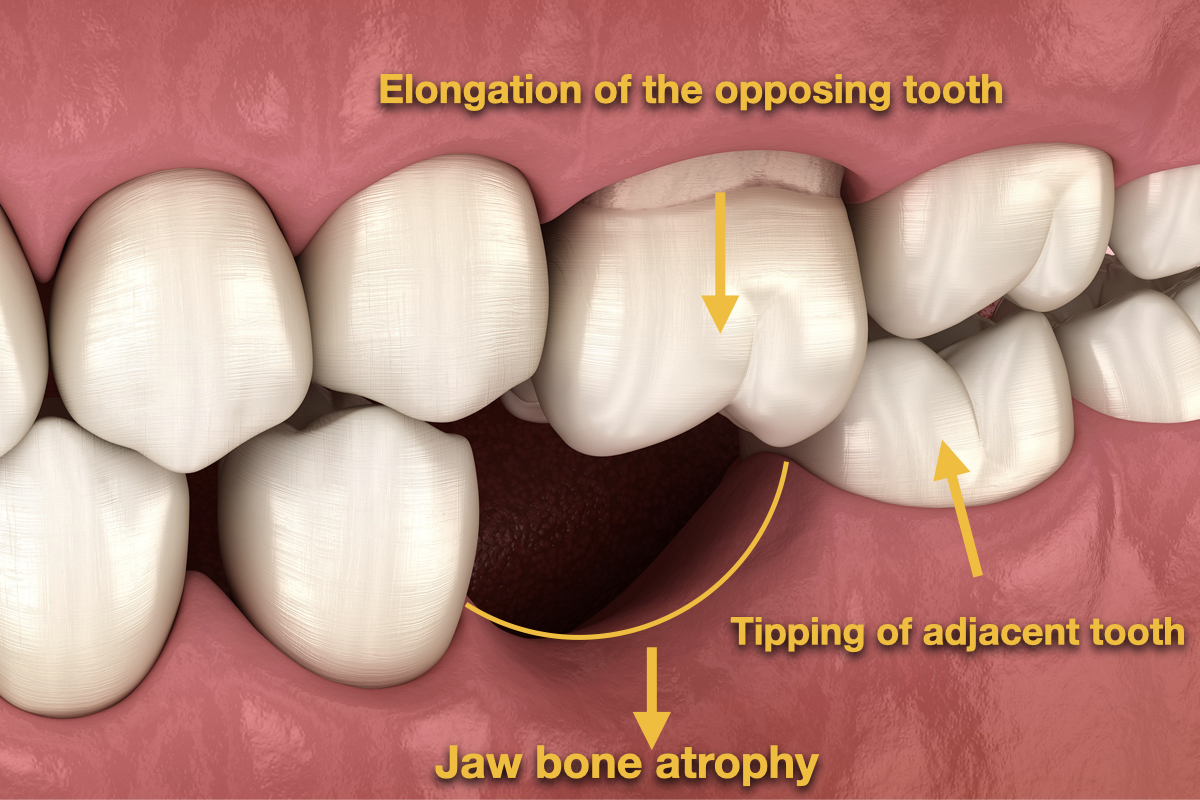
Impaired chewing:
Missing teeth can reduce chewing efficiency, particularly when multiple teeth are absent or when important chewing teeth are involved. This may affect dietary choices and, in some cases, nutritional intake.
Tilting or Drifting of Adjacent Teeth:
When a tooth is missing, the neighbouring teeth may gradually tilt or drift into the space. This can make certain areas more difficult to clean and may increase the risk of plaque accumulation, dental caries, and periodontal problems.
Overeruption of opposing teeth:
Without normal occlusal contact, the opposing tooth may gradually overerupt into the space left by the missing tooth. If too much space is lost, there may be insufficient room for an implant-supported restoration, making additional treatment necessary to restore the appropriate occlusal relationship.
Alveolar Bone Resorption:
The alveolar bone that once supported the missing tooth tends to undergo gradual resorption after tooth loss. The longer the tooth remains missing, the greater the potential reduction in bone volume. If there is insufficient bone for implant placement, bone augmentation or grafting may be required before or during implant treatment.
-
Why is a conventional dental bridge not recommended for missing teeth?

A conventional dental bridge can be an effective way to replace a missing tooth in appropriate cases. However, I would not recommend it routinely, because the treatment requires the adjacent teeth to be prepared and used as supports.
Even if these teeth are healthy, part of their natural tooth structure must be removed to accommodate the bridge. This is an irreversible procedure and may affect the long-term health of the supporting teeth.
In addition, the supporting teeth have to bear the load transmitted through the bridge. When one or more missing teeth are replaced by a bridge, the functional forces are distributed through a smaller number of natural teeth. Depending on the patient’s bite and the condition of the supporting teeth, this may place additional stress on them and increase the risk of complications over time.
For these reasons, when the adjacent teeth are healthy and suitable for implant treatment, a dental implant would be considered as a more conservative option because it can replace the missing tooth without using the neighbouring teeth as supports.