

Treatment
Cavity Treatment
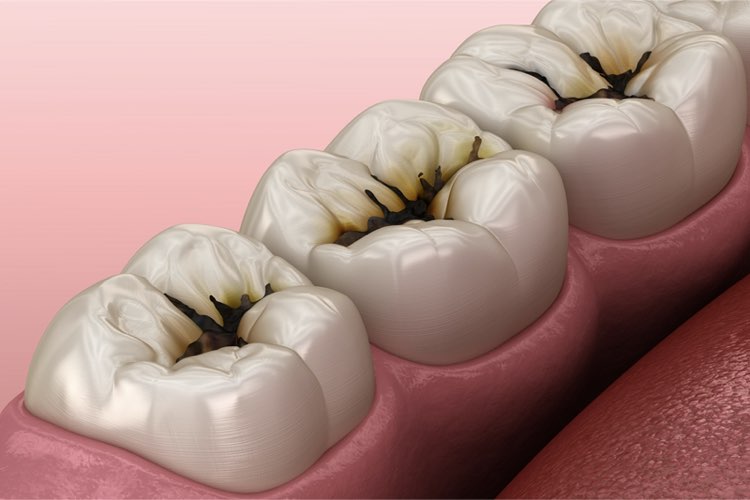
Risks of Cavities
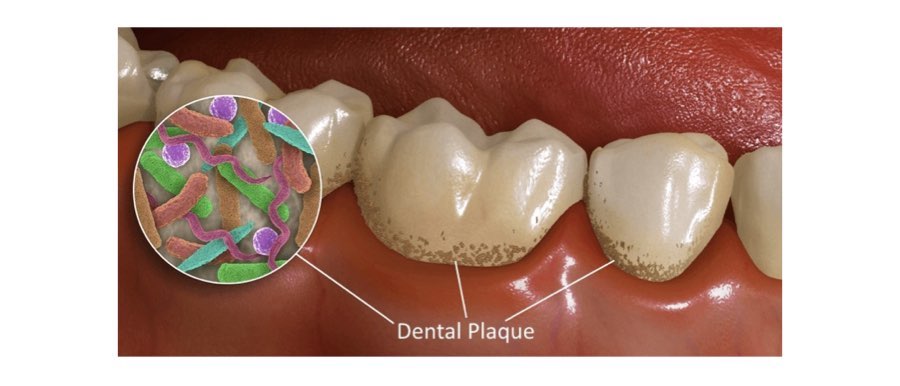
Cavities, commonly known as tooth decay, occur when bacteria produce acid that depletes minerals from teeth, gradually forming holes that deepen over time. Common sites: pits and fissures on occlusal surfaces, tooth surfaces, and tooth roots. If left untreated, cavities will spread from the outer layer to deeper tooth structures, potentially causing severe infection and toothache. When tooth damage becomes too extensive for restoration, tooth extraction will be necessary.
Progression and Symptoms of Cavities
 |
|||
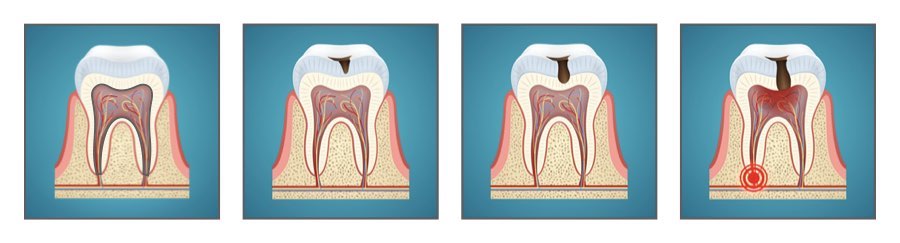
| 1. Healthy Tooth | 2. Enamel Caries (Shallow Cavity) |
3. Dentin Caries (Moderate/Deep Cavity) |
4. Pulp Chamber Caries (Deep Cavity) |
Intact tooth surface.
2. Enamel Caries (Superficial Caries):
Plaque acids demineralize enamel to form shallow lesions. No thermal sensitivity or obvious pain, often undetected.
3. Dentin Caries (Moderate / Deep Caries):
Obvious cavities penetrate enamel into dentin. Hot/cold food triggers mild to sharp pain. Dentin is softer and more vulnerable to acid, accelerating decay.
4. Caries into Pulp Chamber:
Cavity reaches pulp chamber. Infected, swollen pulp compresses the nerve and causes intense pain, which may travel through the apical foramen to the alveolar bone.
Causes of Cavities
Special Conditions Prone to Cavities
 |
|||
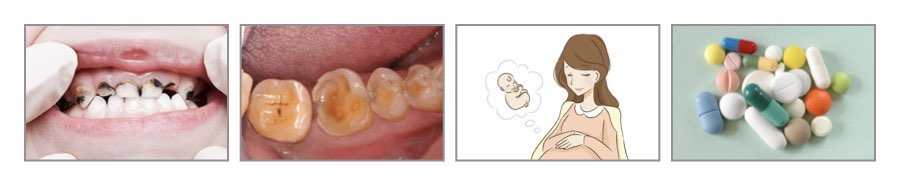
| 1. Toddlers and Adolescents | 2. Tooth Wear | 3. Pregnancy | 4. Dry Mouth |
1. Young Kids & Teens:
Minors with hypoplastic enamel have poor resistance to bacterial acid and are prone to cavities.
2. Tooth Wear:
Heavy enamel wear in older adults exposes dentin, increasing cavity risk.
3. Pregnancy:
Frequent intake of sweet or sour foods during pregnancy makes cavities more likely.
4. Dry Mouth:
Saliva helps neutralize bacterial acid. Some medicines reduce saliva flow and raise cavity risk.
Treatment of Cavities
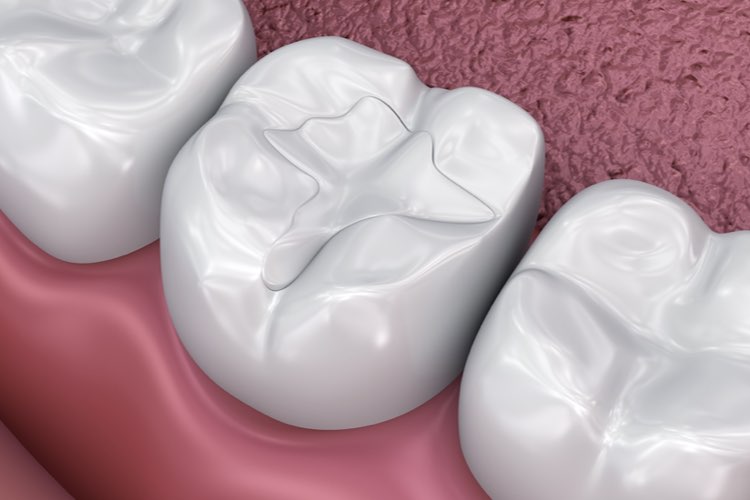
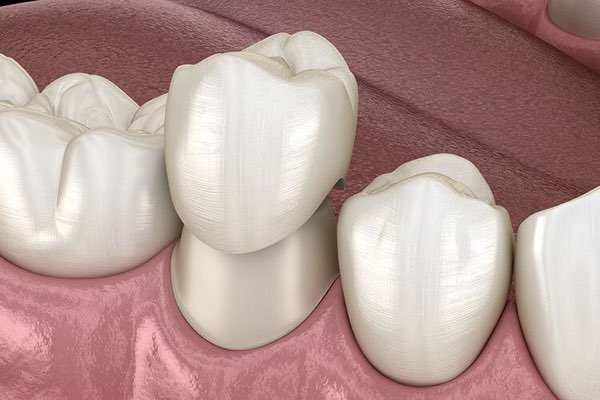
Treatment is selected based on cavity size: filling, inlay or all-ceramic crown. Extraction will be needed if the tooth cannot be restored due to extensive damage. Root canal treatment is required first for pulp infection caused by deep cavities.
1. Dental Filling:
2. Inlays:
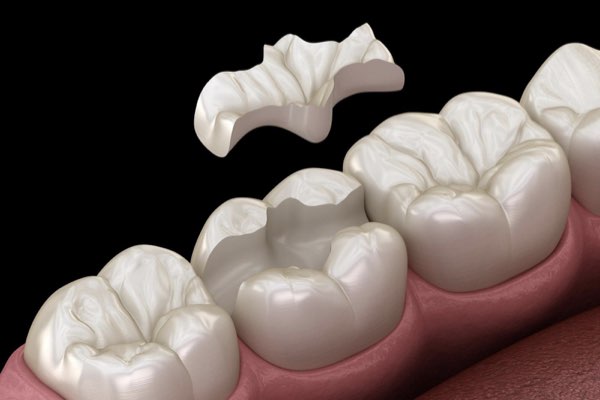
If the decayed area is moderately large but the tooth remains sound, an inlay restoration can be carried out. An inlay is a restoration that fits inside the tooth structure to recover the form and function of the damaged tooth.
3. Root Canal Treatment
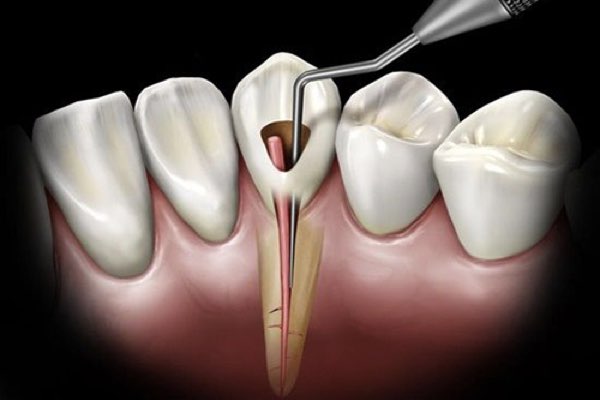
4. Dental Crown

Reborn Dental Clinic was founded in 2007. We consistently uphold our operational philosophy, "Strive for Perfection, Forge Ahead Steadily", and provide high-quality dental services to help every client regain a confident smile. Our dental team consists of graduates from prestigious medical universities including Wuhan University, with over 15 years of professional experience on average. We offer a full range of dental services such as dental treatment, dental restoration, dental implants and orthodontics. We look forward to your visit!
 Address: 8th Floor, New World Center, No. 6009 Yitian Road, Futian District, Shenzhen, China
 Metro: Children's Palace Station or Futian Station
 Shenzhen +86 755 23982858 ;HongKong +852 68882959
 WhatsApp +852 68882959




© Reborn. All rights reserved. Advertising approval: 粤(B)广【2026】第09-21-1156号
本站部分图文来源网络,如有侵权问题请通知我们处理!
网站建设维护