
Prevention
Pediatric Facial Management
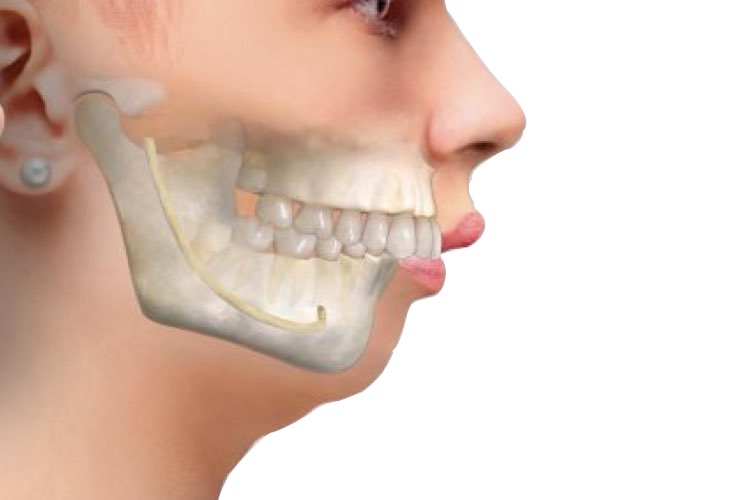
Ages 4-12 is the peak period of a child's development. In addition to genetic factors, oral diseases, teething obstacles, and bad oral habits may lead to abnormal development of teeth, jaws, and facial features, affecting the child's oral health, chewing function, and future appearance.
Ages 4 to 12 mark a peak period of children’s growth and development. Besides genetic factors, oral diseases, transitional dentition disorders and harmful oral habits may lead to abnormal development of teeth, jawbones and facial structures. This can compromise children’s oral health, chewing function and long-term facial appearance.
Poor oral hygiene can trigger dental caries and periodontal disease, which adversely affect facial aesthetics and undermine self-confidence. Difficulty chewing also impacts food intake.
Ages 4 to 12 mark a peak period of children’s growth and development. Besides genetic factors, oral diseases, transitional dentition disorders and harmful oral habits may lead to abnormal development of teeth, jawbones and facial structures. This can compromise children’s oral health, chewing function and long-term facial appearance.
 |
|
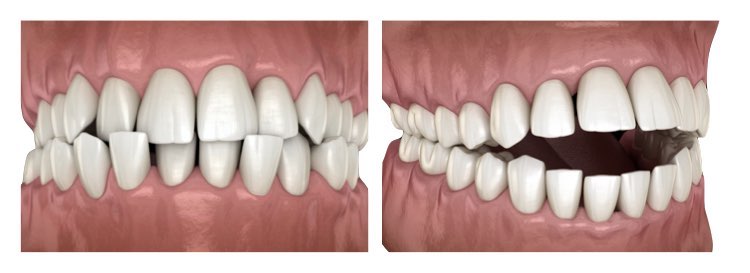
| Crowded teeth | Open bite |
 |
|
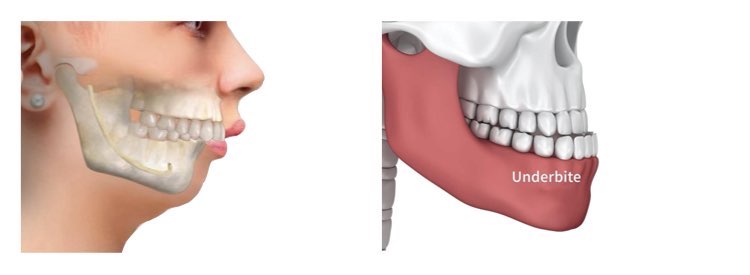
| Mandibular retrusion | Underbite (anterior crossbite) |
Regular checkups, early detection, early intervention, and healthy growth!
Manifestations and Causes of Teeth/Jaw/Face
1. Crowded Teeth
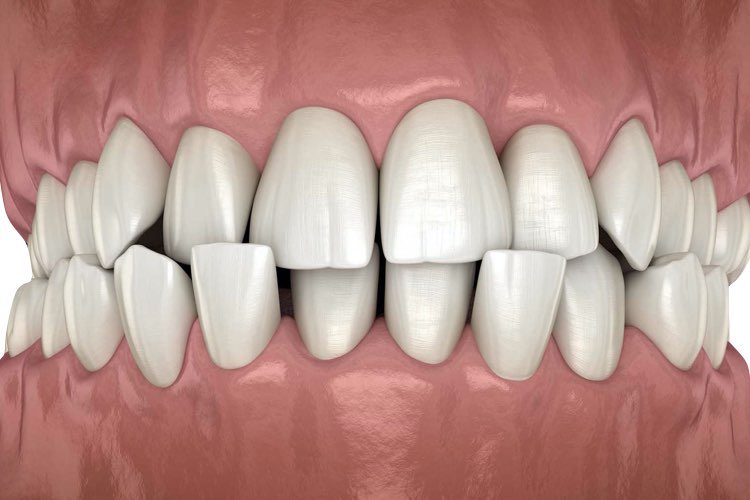
Dental crowding is often caused by impaired eruption of permanent teeth:
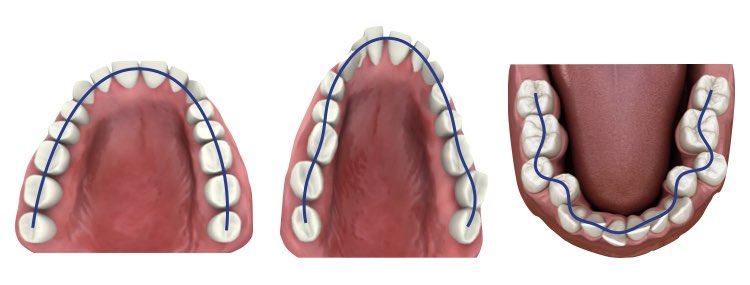
Effects of Dental Arch Morphology and Interdental Spaces on Dentition
 |
||
| Ideal dental arch and tooth spacing |
Dental arch too narrow |
Eruption space too small |
Ideal Dental Arch and Interdental Spaces
Sufficient space for tooth eruption and normal dental arch morphology result in well-aligned teeth.
Overly Narrow Dental Arch
A narrow dental arch creates inadequate space for permanent teeth eruption, leading to ectopic permanent teeth and crowding.
Insufficient Eruption Space
Space loss following early primary tooth loss interferes with permanent tooth eruption and causes permanent tooth crowding and malalignment.
2. Maxillomandibular Discrepancy
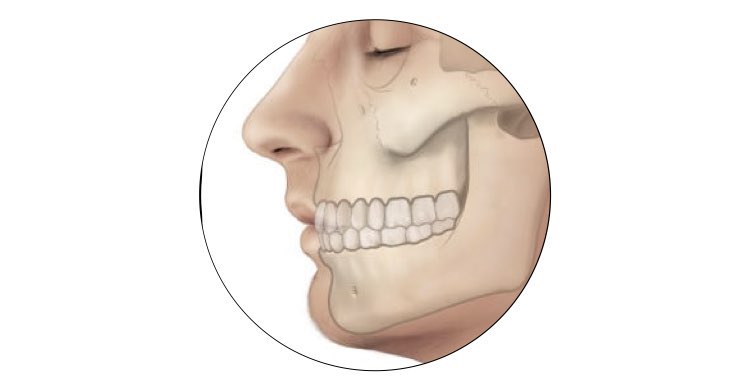
Coordinated upper and lower jaws
 |
|
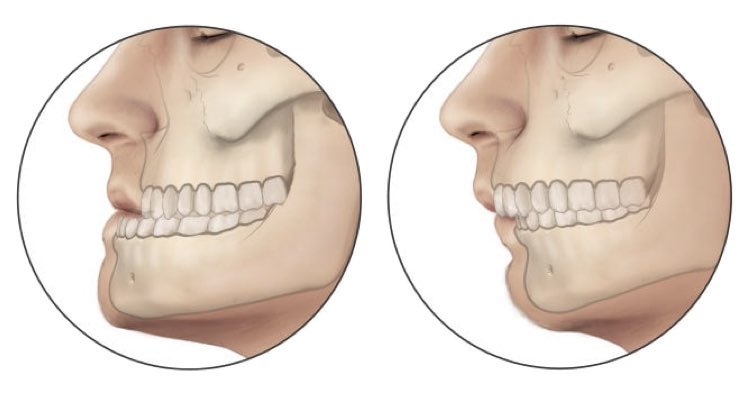
| Mandibular protrusion (underbite) | Mandibular retrusion (receding chin) |
The morphology of the maxilla and mandible determines the contour of the lower third of the face and plays a vital role in facial aesthetics. Mandibular retrognathia (receding chin) and mandibular prognathism (crossbite) are categorized as maxillomandibular discrepancy. Once adulthood is reached, these conditions can hardly be corrected by orthodontic treatment alone, and severe cases require surgical intervention.
3. Open Bite
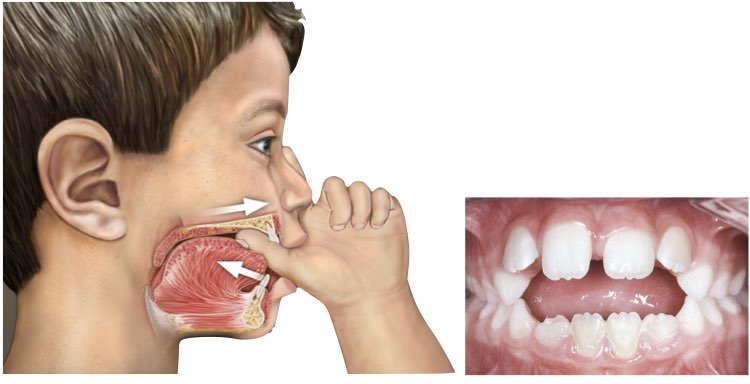
4. Dental and Jaw Abnormalities
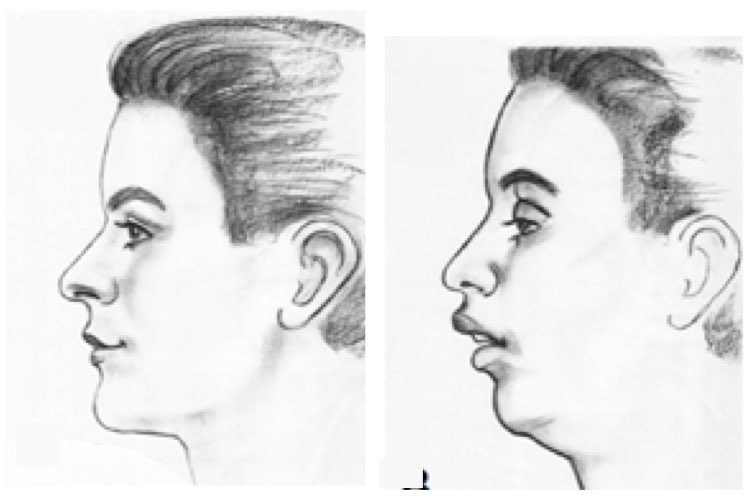
Normal nasal breathing on the left with normal facial morphology. Chronic mouth breathing on the right has caused a narrow dental arch, lip incompetence and retrognathia. There is a substantial facial discrepancy between the two sides.
What is mouth breathing?
Normal breathing occurs through the nasal cavity. However, conditions such as nasal polyps, rhinitis, tonsillar hypertrophy or turbinate hypertrophy can narrow or even obstruct the nasal passage, forcing the patient to breathe through the mouth instead. A small number of patients have no nasal diseases and simply exhibit habitual mouth breathing.
Interceptive Treatment for Facial developmental disorders
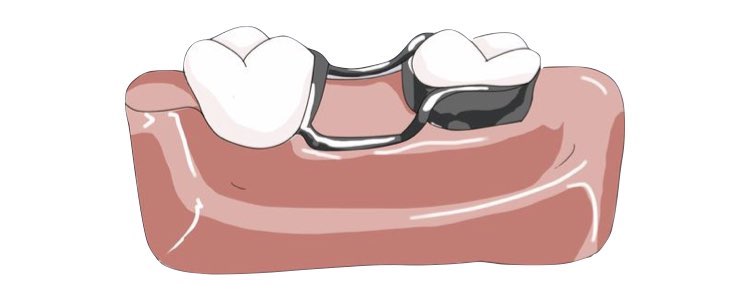
Space Maintainer
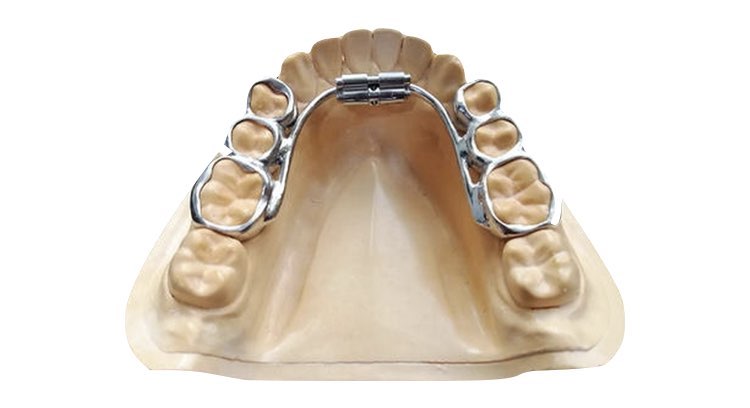
Arch Expander
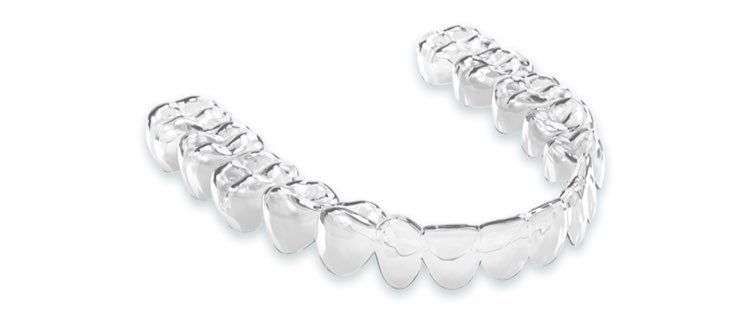
Clear Aligners
 |
||
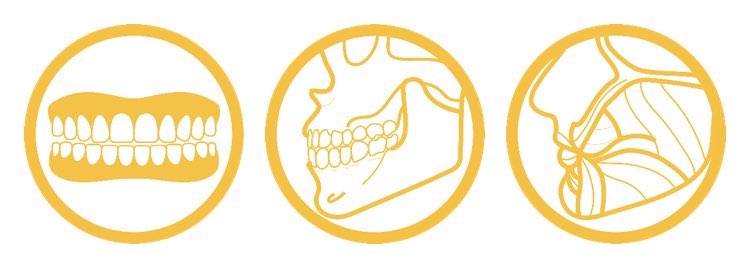
| Tooth problems | Jaw problems | Facial problems |
Prevention of Facial Development Problems
Besides genetic factors, dental caries, disturbances in tooth eruption and bad oral habits may lead to abnormal development of teeth, jaws and facial structures. Regular examinations are recommended for early detection and early intervention!
 |
|
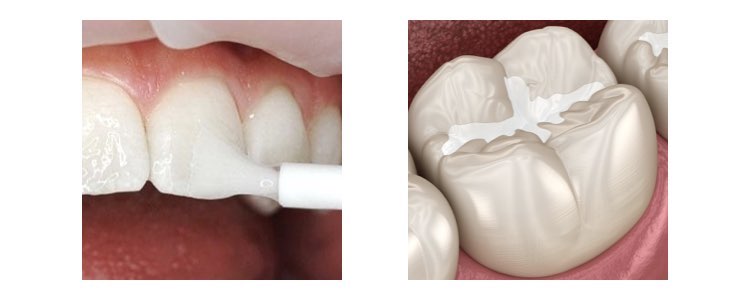
| Fluoride Treatment | Fissure Sealant |
 |
|
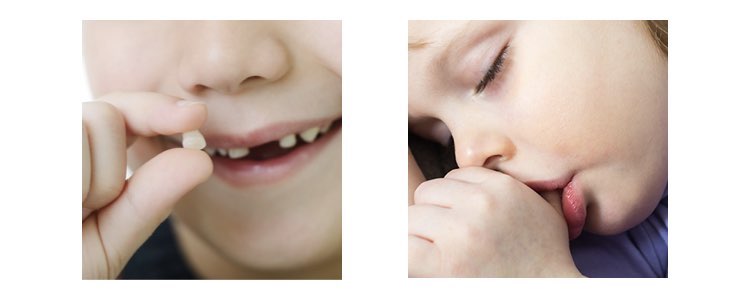
| Eliminating Teething Obstacles | Eliminating Bad Oral Habits |
Fluoride Treatment
Fluoride is applied to tooth surfaces to promote enamel mineralization, strengthen teeth and prevent caries in the whole dentition.
Fissure Sealant
A protective barrier is formed with pit and fissure sealant to prevent occlusal caries.
Relief of mixed dentition disorders:
During the mixed dentition period, retained teeth and supernumerary teeth should be extracted in a timely manner to avoid interfering with the eruption of permanent successors.
Correction of adverse oral habits:
Adverse oral habits should be eliminated under the guidance of clinicians to guide normal development of teeth and jaws.

 Address: 8th Floor, New World Center, No. 6009 Yitian Road, Futian District, Shenzhen, China
 Metro: Children's Palace Station or Futian Station
 Shenzhen +86 755 23982858 ;HongKong +852 68882959
 WhatsApp +852 68882959




© Reborn. All rights reserved. Advertising approval: 粤(B)广【2026】第09-21-1156号
本站部分图文来源网络,如有侵权问题请通知我们处理!
网站建设维护