
Prevention
Pediatric Facial Management
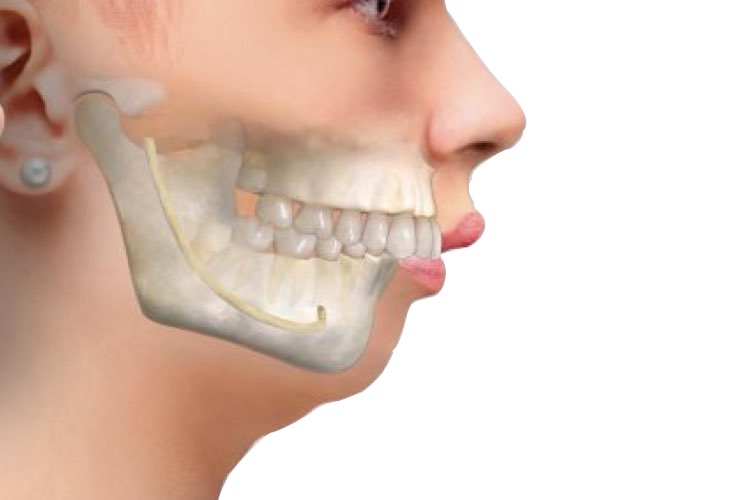
Ages 4-12 is the peak period of a child's development. In addition to genetic factors, oral diseases, teething obstacles, and bad oral habits may lead to abnormal development of teeth, jaws, and facial features, affecting the child's oral health, chewing function, and future appearance.
Hard to clean, inducing dental caries and periodontal disease
Affecting appearance, lack of self-confidence
Difficulty chewing, affecting eating
Hard to clean, inducing dental caries and periodontal disease
Affecting appearance, lack of self-confidence
Difficulty chewing, affecting eating
 |
|
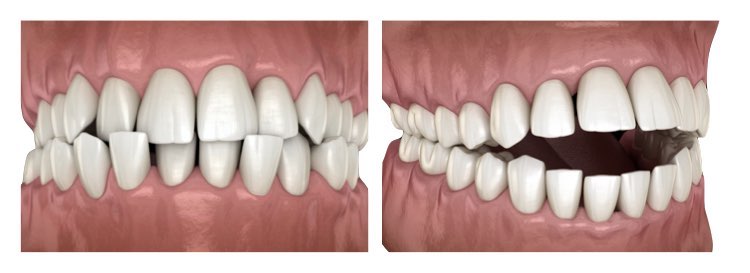
| Crowded teeth | Open bite |
 |
|
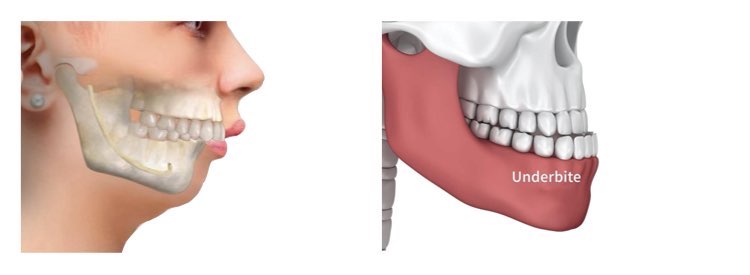
| Mandibular retrusion | Underbite (anterior crossbite) |
Regular checkups, early detection, early intervention, and healthy growth!
Abnormal Manifestations and Causes of Teeth/Jaw/Face
1. Crowded Teeth
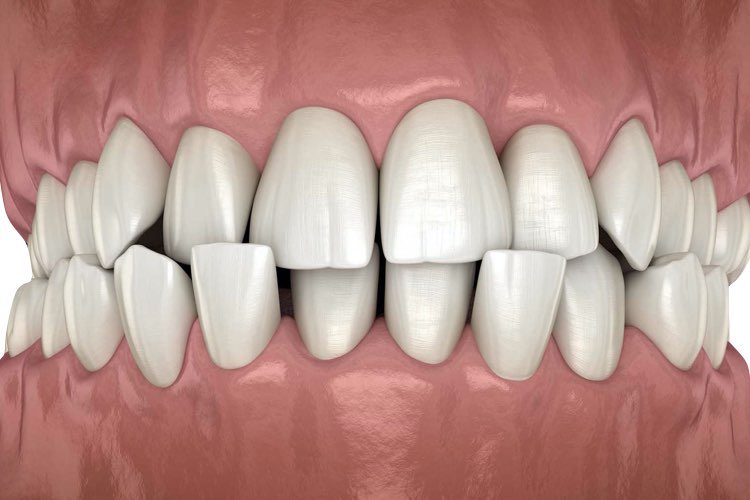
Crowded teeth are often caused by permanent tooth eruption obstacles:
Retained primary teeth: That is, baby teeth do not fall out at the replacement age, causing permanent teeth to erupt in the wrong position.
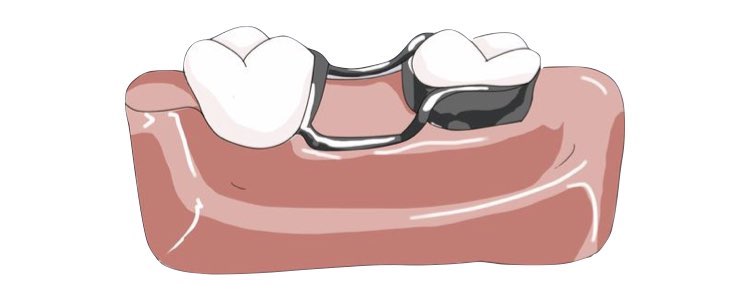
Premature loss of primary teeth: Premature loss of baby teeth due to dental caries will cause insufficient dental space and too narrow dental arches, resulting in insufficient space for permanent teeth to erupt.
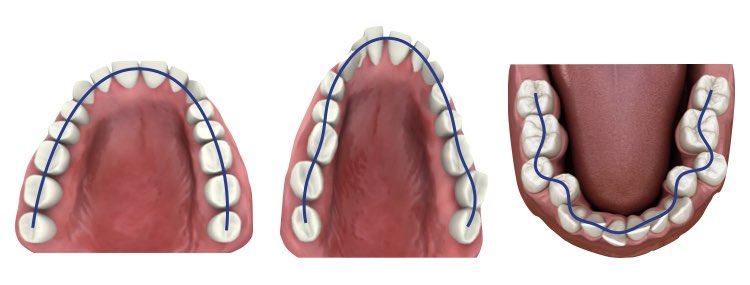
The impact of dental arch shape and tooth spacing on dentition
 |
||
| Ideal dental arch and tooth spacing |
Dental arch too narrow |
Eruption space too small |
Ideal dental arch and tooth spacing
Sufficient space for tooth eruption, normal dental arch shape, and neat teeth.
Dental arch too narrow
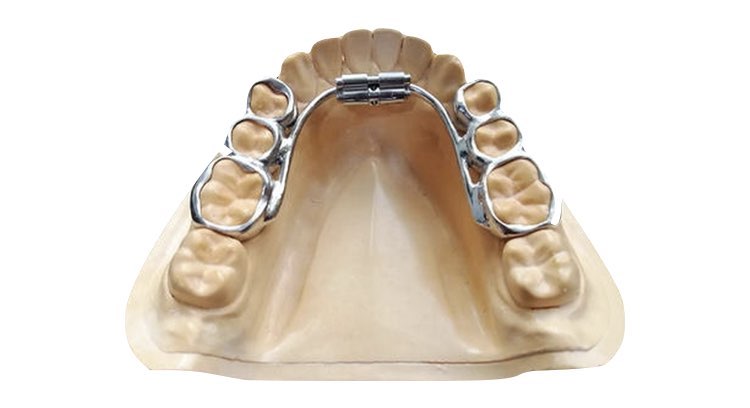
Too narrow dental arches lead to insufficient space for permanent teeth to erupt, resulting in displacement and crowding of permanent teeth.
Eruption space too small
The space shrinks after premature loss of baby teeth, affecting permanent tooth eruption and leading to crowded and uneven permanent teeth.
2. Upper and Lower Jaw Incoordination
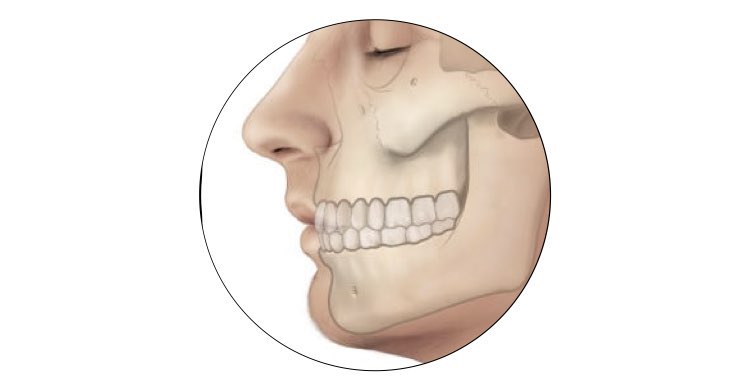
Coordinated upper and lower jaws
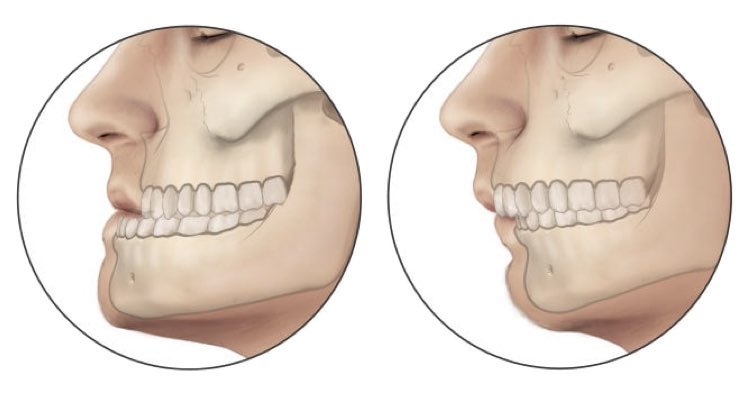 |
|
| Mandibular protrusion (underbite) | Mandibular retrusion (receding chin) |
The shape of the upper and lower jaws determines the curve of the lower third of the face, which is very important for facial aesthetics. We call mandibular retrusion (receding chin) and mandibular protrusion (underbite) jaw incoordination. In adulthood, it is difficult to improve through orthodontics alone, and severe cases require surgical correction.
3. Open Bite (Inability to close front teeth)
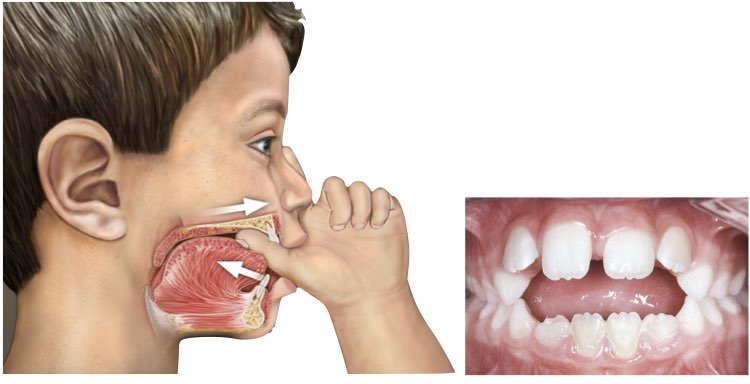
4. Comprehensive Problems of Teeth/Jaw
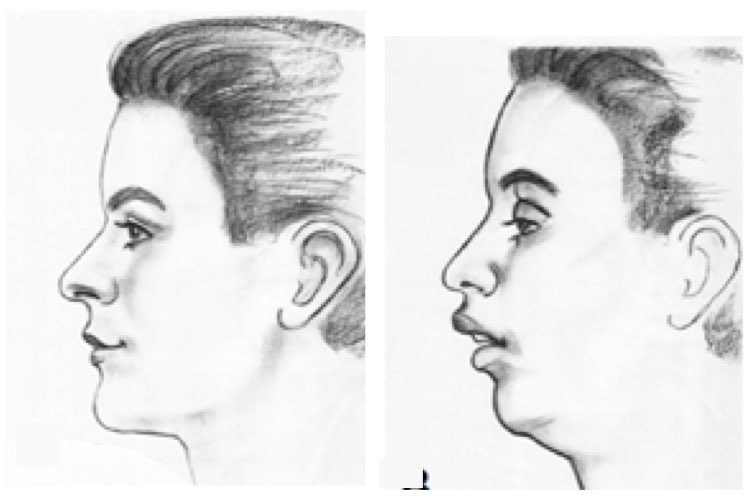
Left: Normal nasal breathing, normal facial appearance; Right: Long-term mouth breathing leads to narrow dental arch, open lips with exposed teeth, and receding chin. Huge difference in facial appearance.
What is mouth breathing?
Normal people breathe through the nasal cavity. However, if they suffer from nasal polyps, rhinitis, tonsil hypertrophy, or turbinate hypertrophy, the nasal cavity will become narrow or even blocked. At this time, patients can only use the mouth instead of nasal breathing. There are also a small number of patients who do not suffer from nasal diseases, but simply breathe through the mouth out of habit.
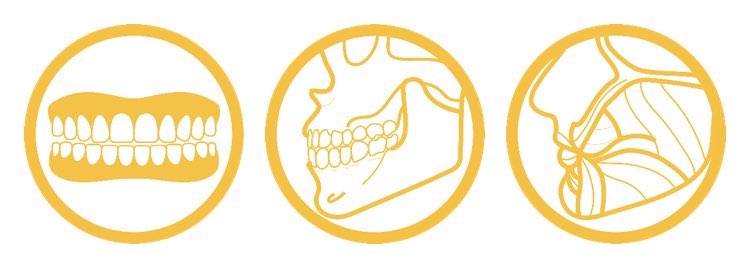
Interceptive Treatment for Facial Development Problems
Space Maintainer
Arch Expander
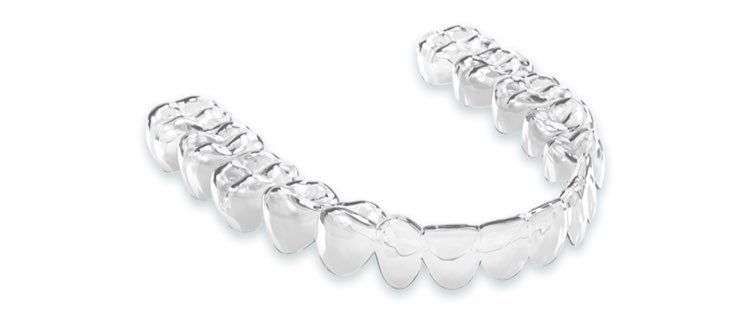
Clear Aligners
 |
||
| Tooth problems | Jaw problems | Facial problems |
Prevention of Facial Development Problems
In addition to genetic factors, dental caries, teething obstacles, and bad oral habits may lead to abnormal development of teeth, jaws, and facial features. Regular checkups, early detection, and early intervention are highly recommended!
 |
|
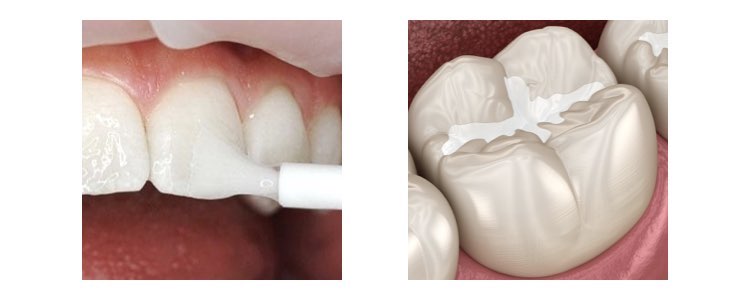
| Fluoride Treatment | Pit and Fissure Sealant |
 |
|
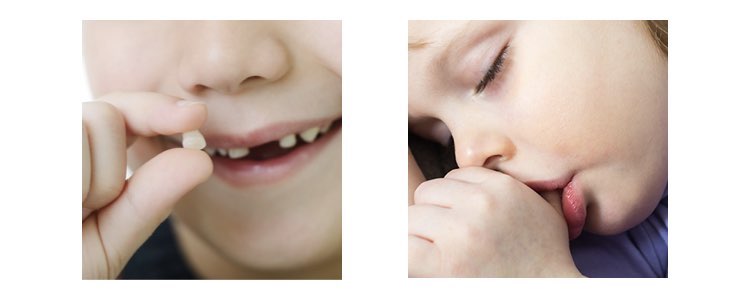
| Eliminating Teething Obstacles | Eliminating Bad Oral Habits |
Fluoride Treatment
Apply fluoride to the tooth surface to promote enamel calcification, make teeth stronger, and prevent tooth decay throughout the mouth.
Pit and Fissure Sealant
Use pit and fissure sealants to form a protective barrier and prevent cavities on the biting surfaces.
Eliminating Teething Obstacles
During the teething stage, if retained teeth or supernumerary teeth are found, they should be extracted in time to avoid affecting the eruption of succeeding permanent teeth.
Eliminating Bad Oral Habits
Under the guidance of a doctor, eliminate bad oral habits and guide the normal development of teeth and jaws.
瑞邦齿科创办于2007年,始终秉承“精益求精 行稳致远”运营理念,以优质齿科服务帮助每一位客户重现自信笑容,重塑身心健康。瑞邦牙医团队来自武汉大学等医学名校,平均15年以上执业经验,多次在牙科病例大赛中获奖。瑞邦齿科全面提供牙齿预防、牙齿治疗、牙齿矫正、种植牙等齿科服务。
欢迎光临!








本站部分图文来自网络,如有侵权,请通知我们处理!
瑞邦 版权所有 粤(B)广【2025】第09-29-1322号
瑞邦 版权所有 粤(B)广【2025】第09-29-1322号
本站部分图文来源网络,如有侵权问题请通知我们处理!
网站建设维护